True Colors – Visting Yto Barrada’s Mothership in Tanger
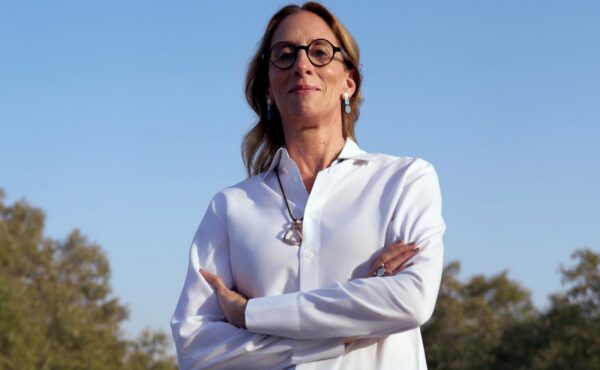
The French-Moroccan artist Yto Barrada represents France in Venice this year. Maike Hemmers writes about the poetic layers of Barrada’s collective garden project, Mothership, in Tangier and speaks with AZ OOR, who was the project’s first resident. GO TO DUTCH VERSION
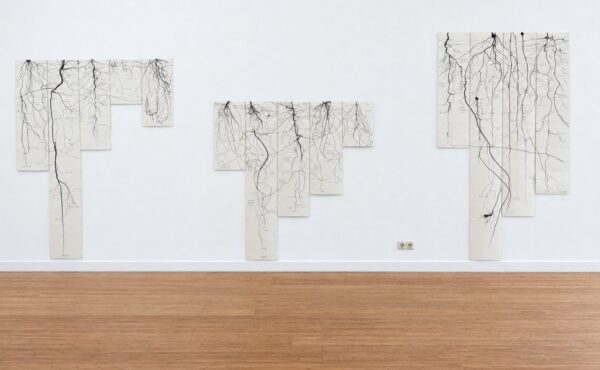
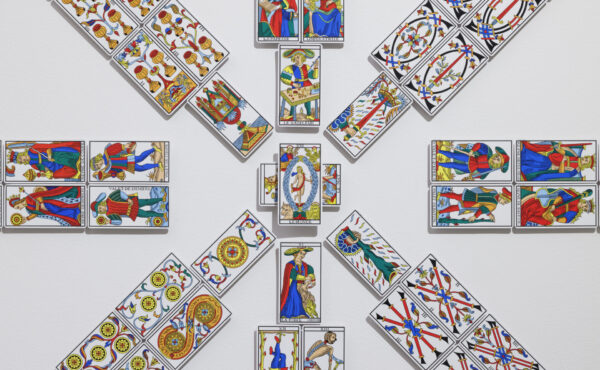
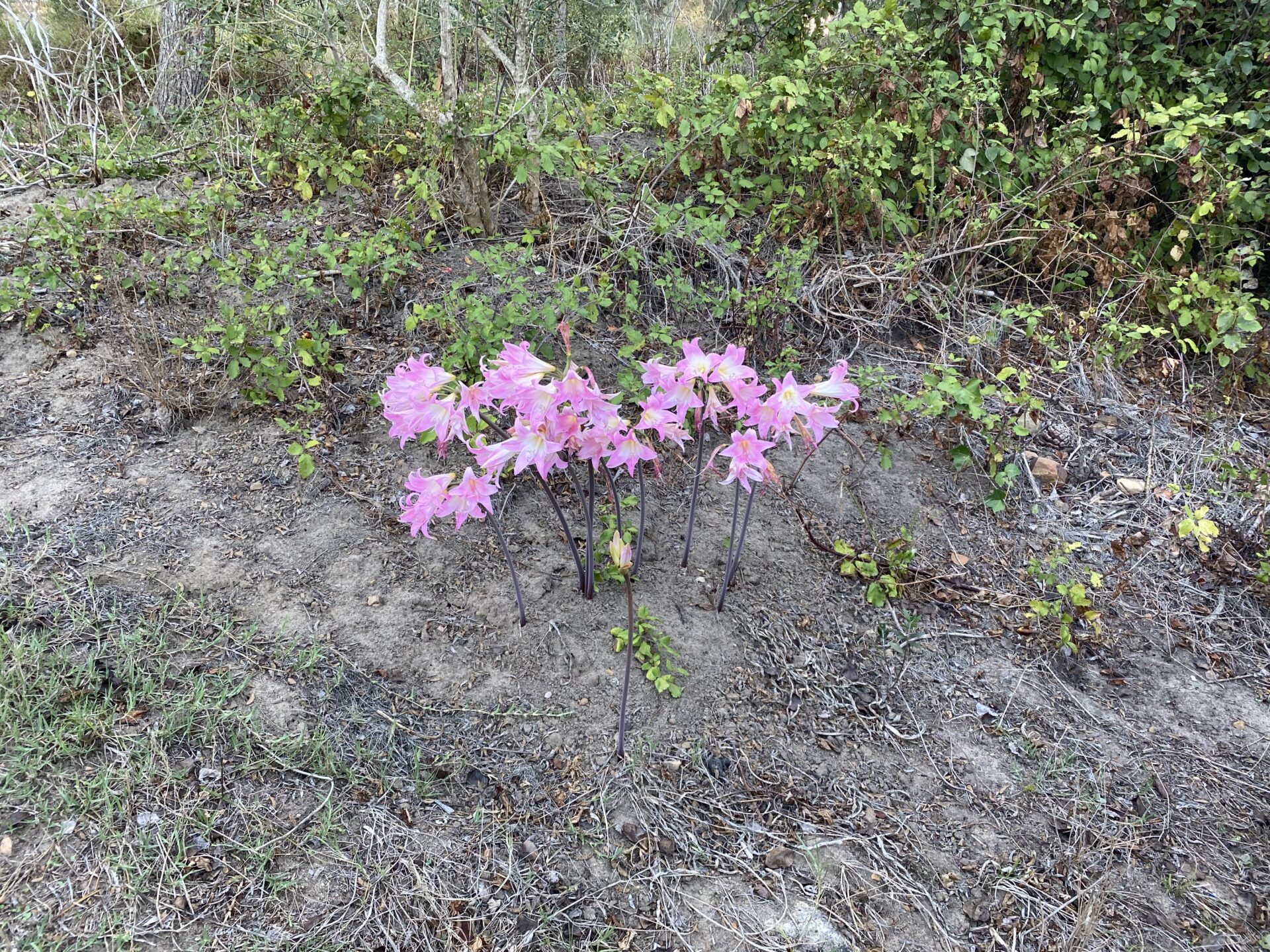
Yto Barrada subverts Modernist forms by turning her gaze toward subaltern histories, traces of resistance, and cultural narratives. This takes shape as photographs, video works, found objects, sculptures, or natural dyes soaked into textile. The dye colors originate from the Mothership, Barrada’s collective garden project in Tangier. They can be read as abstract, geometric works of textile art, yet they embody a layered meaning.
Anything that lives holds a true color inside, an inner, essential quality. Some colors are immediately visible, some need the right kind of condition to appear. I think about the gardens I know, that have mattered, that have had definite impact.I stand on a plot of land witha beige potatoes, and dotted next to it, green string beans, pastel salad heads, pink oval tomatoes. Above the wire-fenced fields, the wooly sheep that surround it, a sky looking like washed out clothes. My grandmother’s broad hands took care of the garden. The older she got, the smaller the garden became. Not so long ago my grandmother’s hands changed gradually. The garden’s true color is the blue collar-wear in rural Germany, of self-sustaining life, and of the endless and hard work of women. The garden holds more stories: of old trees dying by an unexplainable disease, of continued silence, of truths for another time.
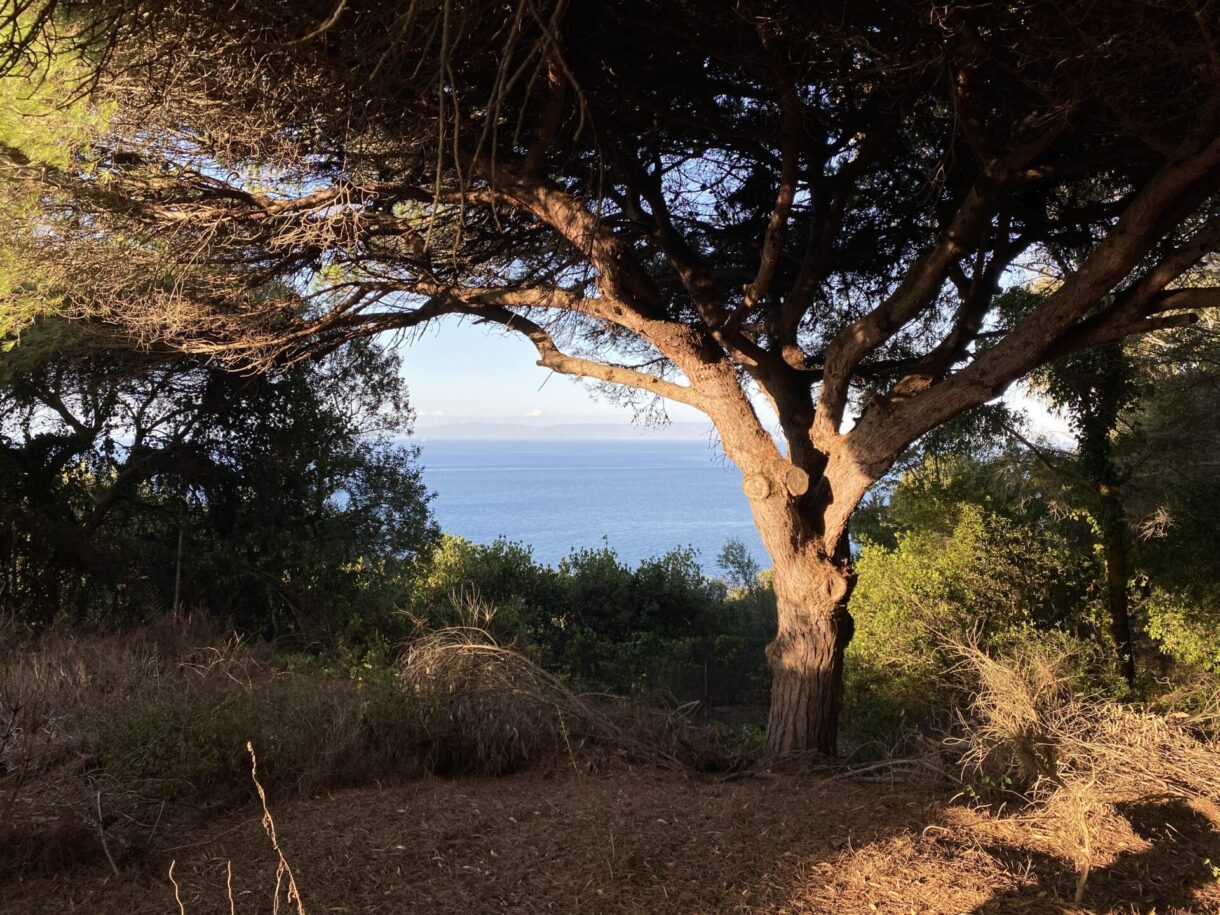
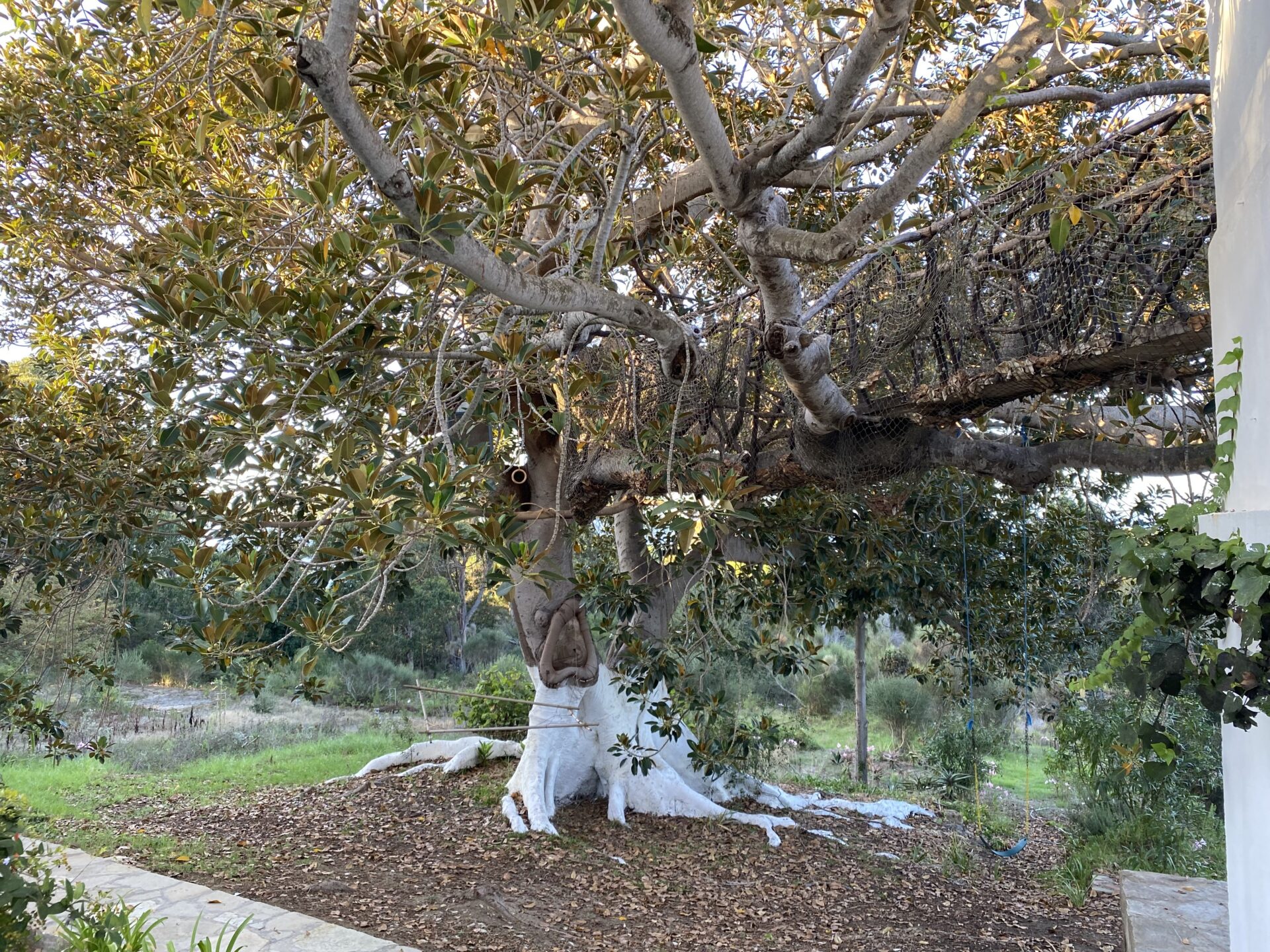
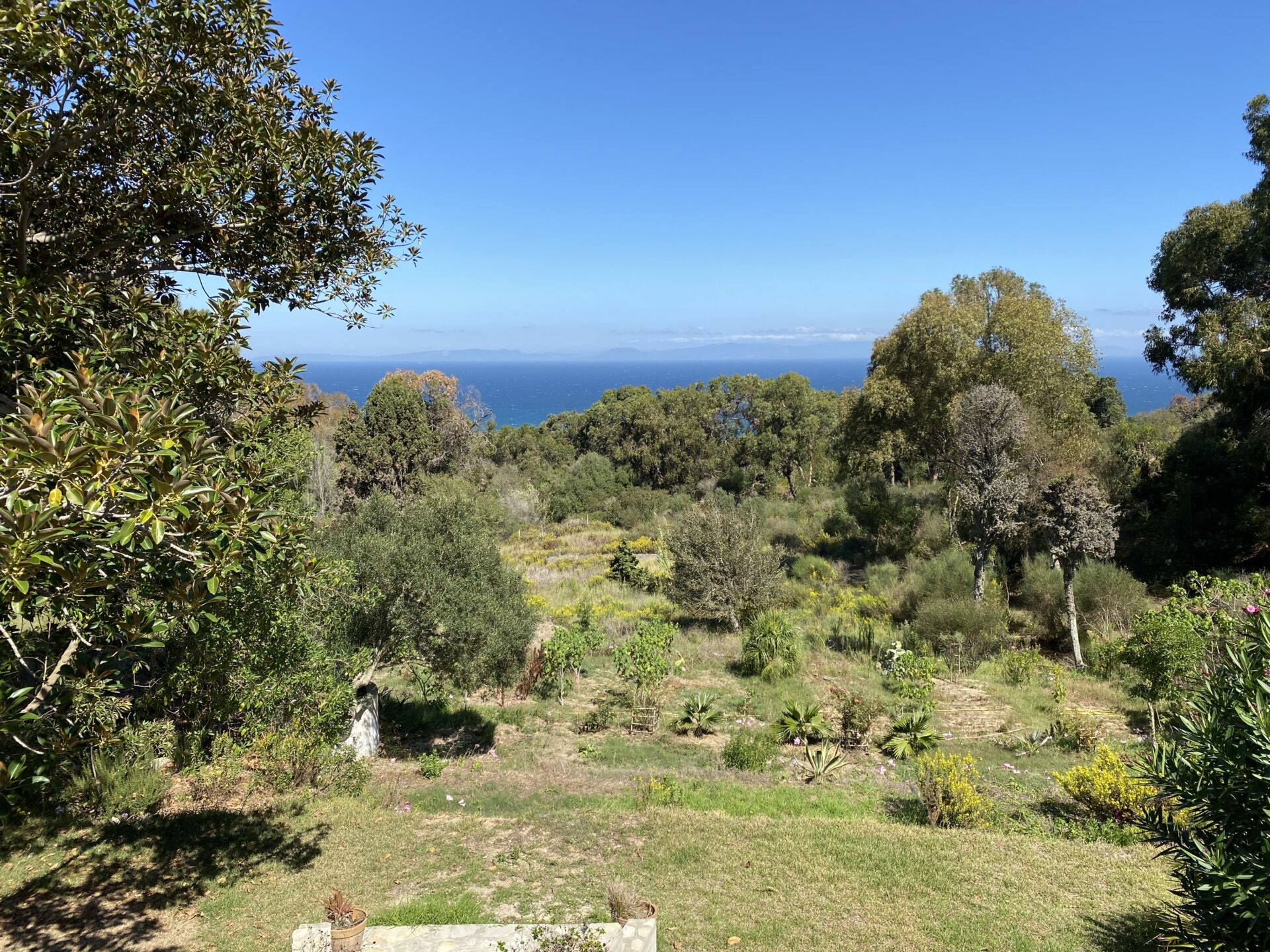
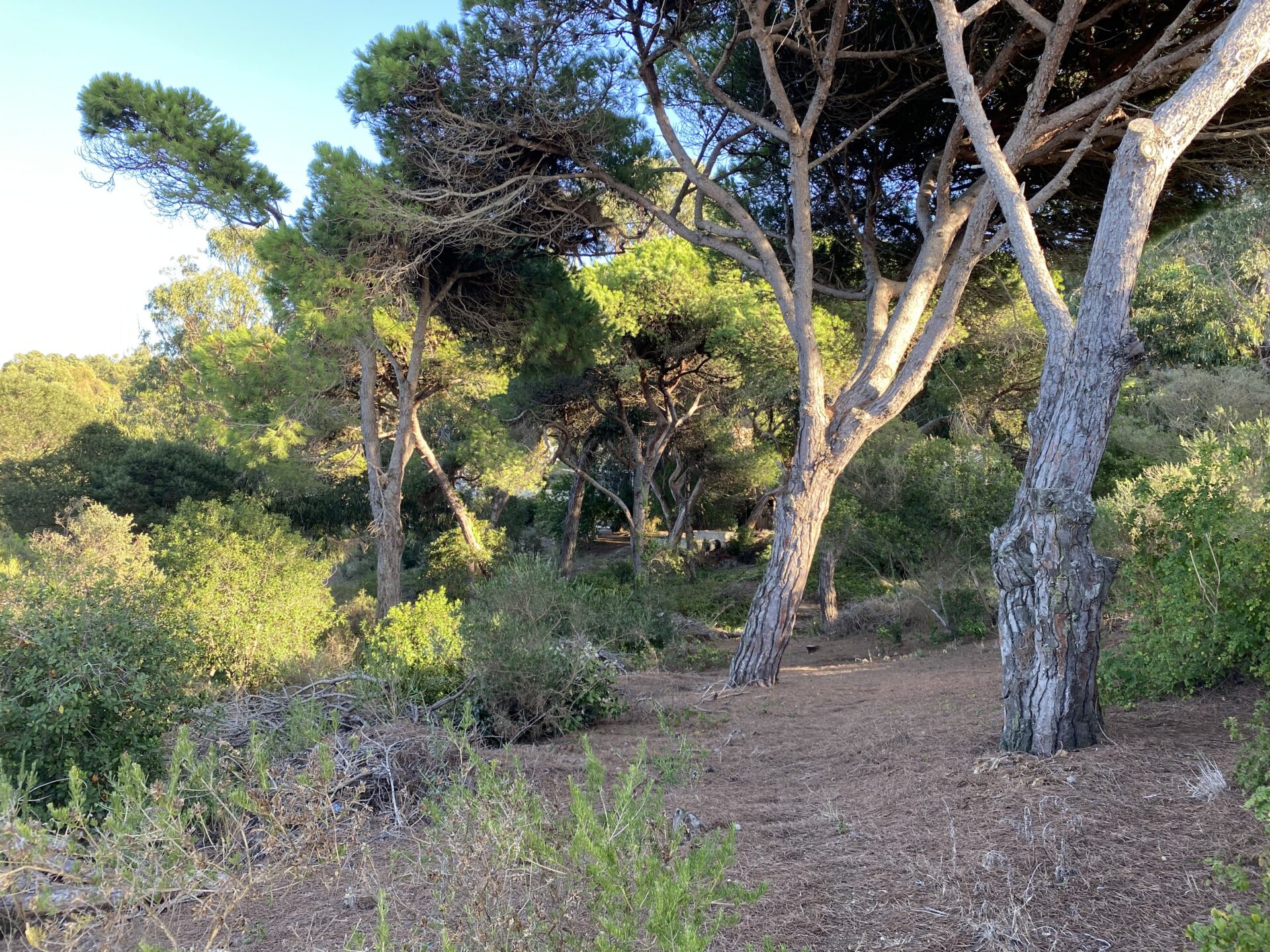
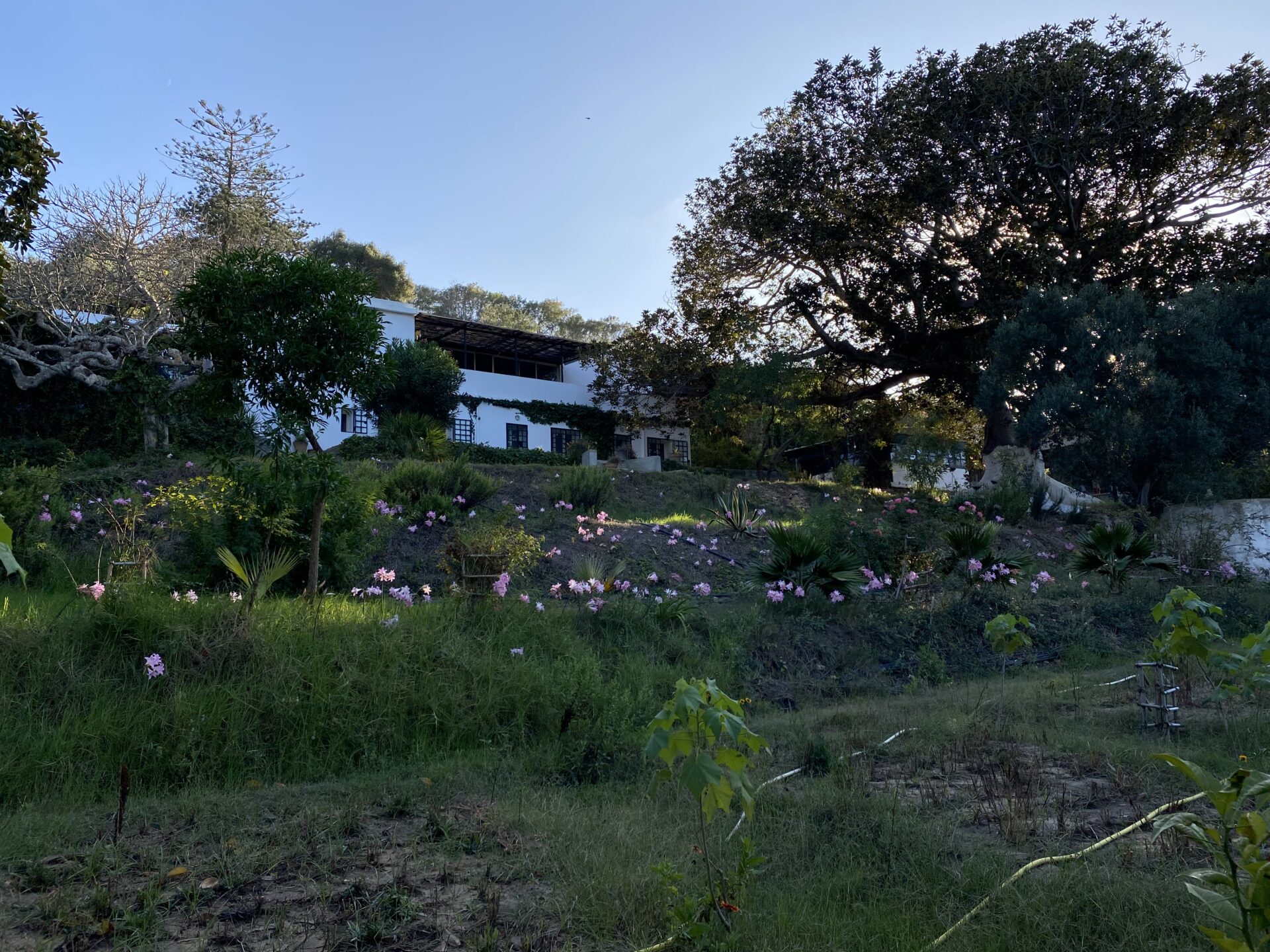
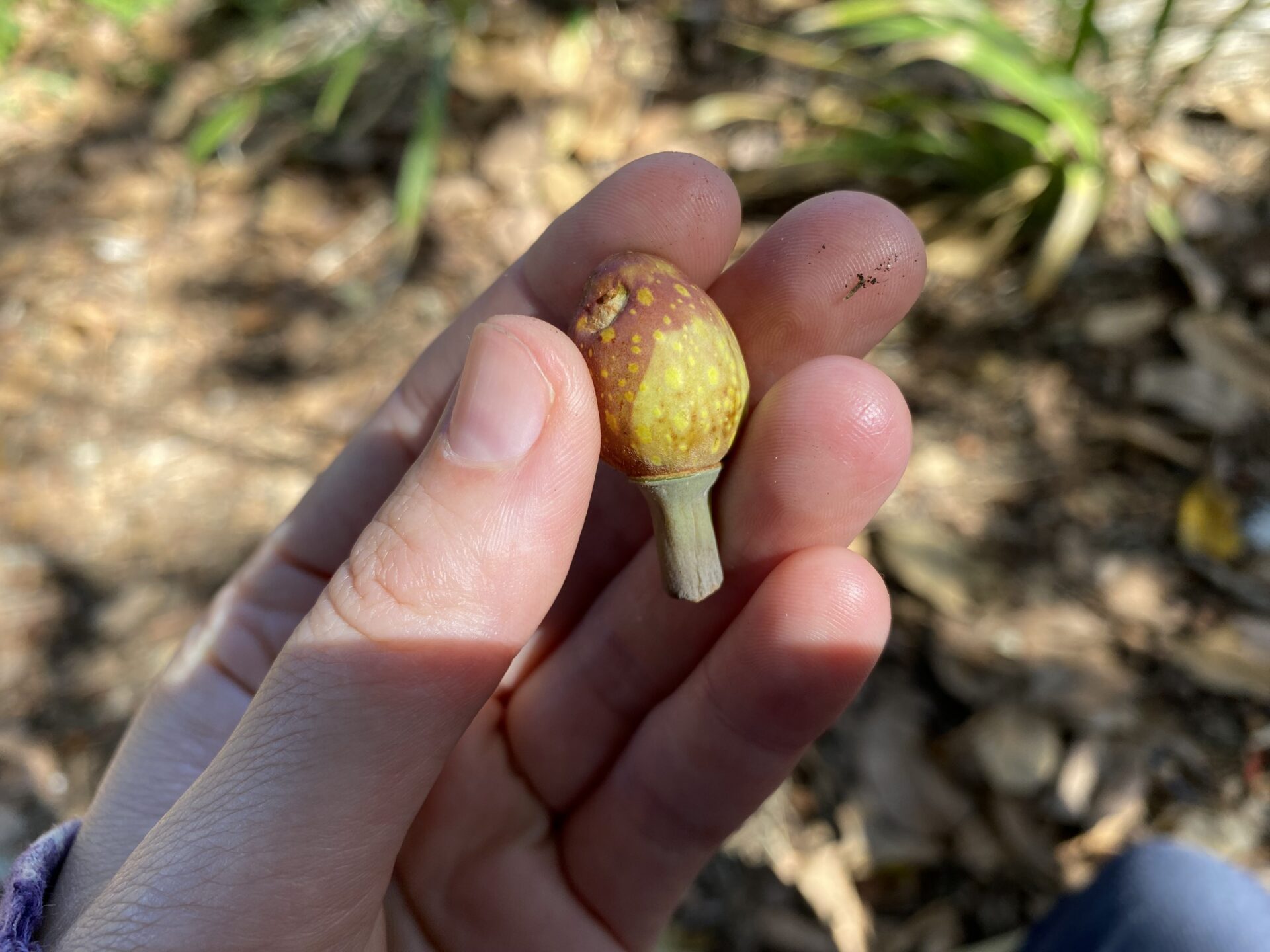
I inhale grey-green eucalyptus leaves, a smell that infuses the air. The earth is scattered with them, brown and crumbly, rustling underfoot, here at the Mothership.At the very tip of the African continent in Tangier, it overlooks the Strait of Gribaltar. On a clear day, you can see Spain from the edge of the garden that ends at cliffs going far down. Below its height, close to the dark blue sea, that’s where the smugglers hide. Eucalyptus was introduced to Tangier by the French colonial forestry services, a pursuit to turn dry lands into a profitable resource of timber. It is a tree that drains water resources, an invasive species that depletes the native plants. The woody, herbaceous smell is a chemical warning to their respiratory system.In the autumn of 2023, I came to Tangier for a residency at Think Tangier for a few months. Visiting the Mothership, I felt a sense of warmth that removed me from another reality. It felt deeply odd to leave the crowded streets of Tangier to find a sort of sheltered paradise hidden behind large grey stone walls. In the garden’s center stands a noble looking tree with white paint around its large trunk – a Moreton Bay fig tree, like the Eucalyptus, native to an all-together different, far-flung continent. Underneath it, unfolding from a slight slope, Barrada’s dye garden. Their true colors are the entangled, complicated relationships between the continents. A garden like a color library of a social-political context of our shared colonial history, past and present. The colors are varied, illuminating also a different kind of relationship.
The Mothership is on the grounds of Barrada’s family, emerging from maternal and ancestral fields. Ancestral through family ownership but also through its previous artistic tenants who link it to Tangier’s rock’n’roll history of the sixties, and the international art scene around the Beat Generation. Now, the Mothership is a location for research, artistic exploration of natural dyes, and occasionally hosts residencies and workshops. Its name proposes a feminist grounding, and manifests an Afro-Futuristic destination
Disobedience
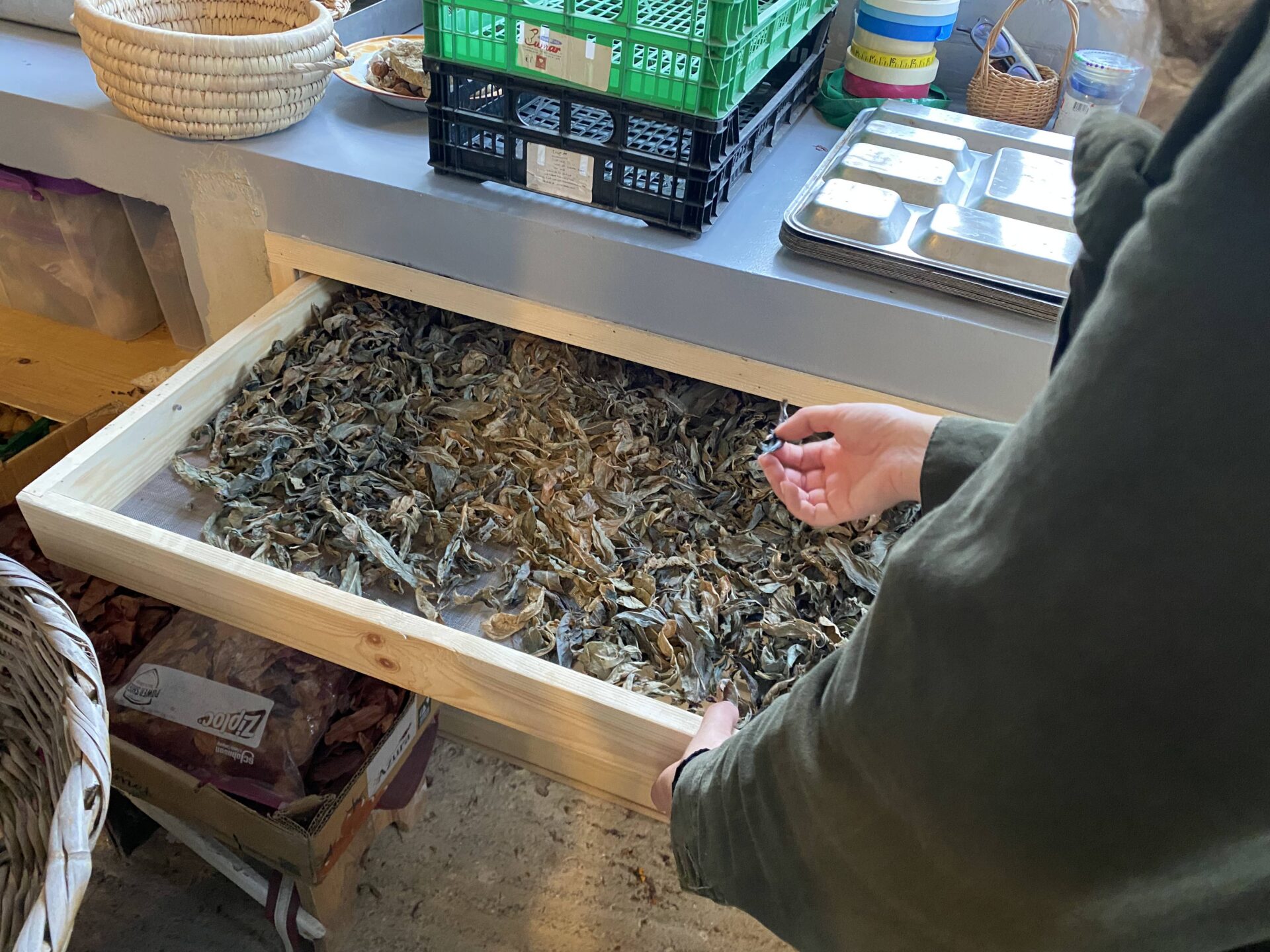
When extracting a dye from a plant, you transform physical appearance into situated color. Unlike pigments that sit on the surface of a carrier, dyes penetrate it. Dyes become part of a fiber in a merging kind of relational way, however fading. All natural colors are susceptible to change through light and environmental quality. They die over time like any organic body does. That’s the essential dignity any living material has, it is inherently rebellious to being contained, and disciplined.
The fundamental disobedience of matter connects the dyes to other works in Barrada’s oeuvre. From the Mothership one looks straight onto the Strait of Gribaltar, which merges the Atlantic Ocean with the Mediterranean Sea, and separates Africa from Europe by just fourteen kilometres at its narrowest point. I came to Tangier by train and boat to register, on a cellular level, the passage from one environment to an entirely different one. Gliding on the ferry over the strait made me feel nauseous, not from sea sickness, but from the awareness of how easily I could change continents. It was a tangible, bodily experience of access, made possible by the privilege of my passport. Unlike the abstract suspension of an airplane, the Atlantic was much closer and slower to pass. The water seemed to look back at me: it spoke about lives passing from the other side, and lives that drown because of it.
Borders and transitional spaces are central themes in many of Barrada’s works, like the photography series The Strait Project (1998-2003). In the video work The Smuggler (2006), this focus takes a concrete form, aligning subversive resistance with Barrada’s exploration of textile. The film shows a woman who has been smuggling this material for around thirty years. Over the course of nearly seven minutes, she demonstrates how she transports fabric by wrapping it tightly around her body, and then pulling her djellaba over it to conceal it
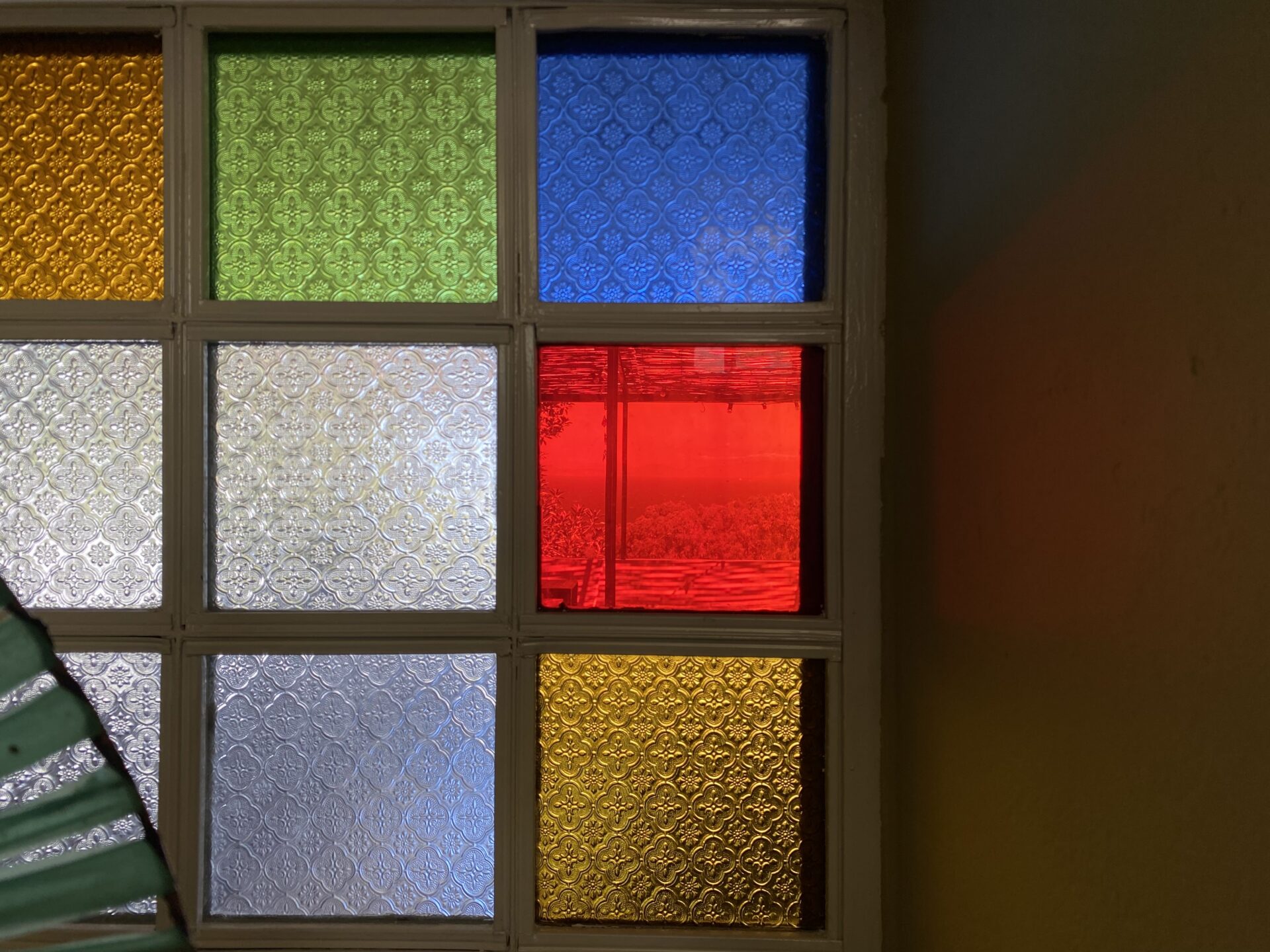
Textures and patterns alternate, creating an enlarged silhouette that looks both fashionable and functional . At first glance, the colors of the work appear esthetic, but they become “true” by making visible the labor of illegal trading posed on the body of an old woman.
Threading beyond containment
These weeks, I’m grappling with how to understand the relationship with my grandmother beyond the there-ness of her physical body. Through the laws of physics, we know that the energy contained in a body can neither be created nor destroyed, it only transforms. In the midst of loss, I still wonder where all the colors that faded before my eyes went.
In a digital connection between Rotterdam and Doha, I called up my friend AZ OOR to talk about Barrada. We begin our conversation with grandmothers, and with the grief of giving in to the passing of what we have loved. AZ OOR shares his first vivid memory; a visit to the herb section of the Marrakesh market where his grandmother took him to get supplies for coloring wool. She used plants, cultivated and wild, to dye with. He describes a gardening practice unlike the one I grew up with. AZ OOR is a self-proclaimed Amazigh Futurist; his artistic practice moves between fiction, history, and futurity, and he works with materials such as natural pigments and archival remains. He was the Mothership’s first artistic resident in 2022.
AZ OOR describes his experience of Barrada’s work to me through a series of encounters and the commitment of supporting others. This is not only visible in the enduring exchange and support he received from Barrada personally, but also in the Mothership’s sibling project, the Cinémathèque de Tanger. The arthouse cinema was co-founded by Barrada in 2006 to save the historical Cinema Rif from destruction and to turn it into a cultural center. As AZ OOR pointed out to me, its significance is too rarely acknowledged, not only in the context of Barrada’s oeuvre, but also in what it does for Tangier. It is a place of community, right at the heart of Tangier’s Grand Socco.
During my residency weeks, it became my daily ritual to sit there, to just be, take notes, and connect to the cultural scene as well as the city life unfolding on the square. The cinema houses a riso studio, holds workshops, and contains an archive. Unlike the more selective entry beyond the walls that hold the Mothership, the Cinémathèque is open every day of the week to all. Those spaces are vital in any place, so that art can be encountered in whatever way we arrive. Similar to the Mothership, it centers North African cultural production rather than Western Europe’s as its point of reference. That, too, is essential: a way of shifting our gaze beyond the dominant frame in which Western Europe is assumed to be the centre of everything.
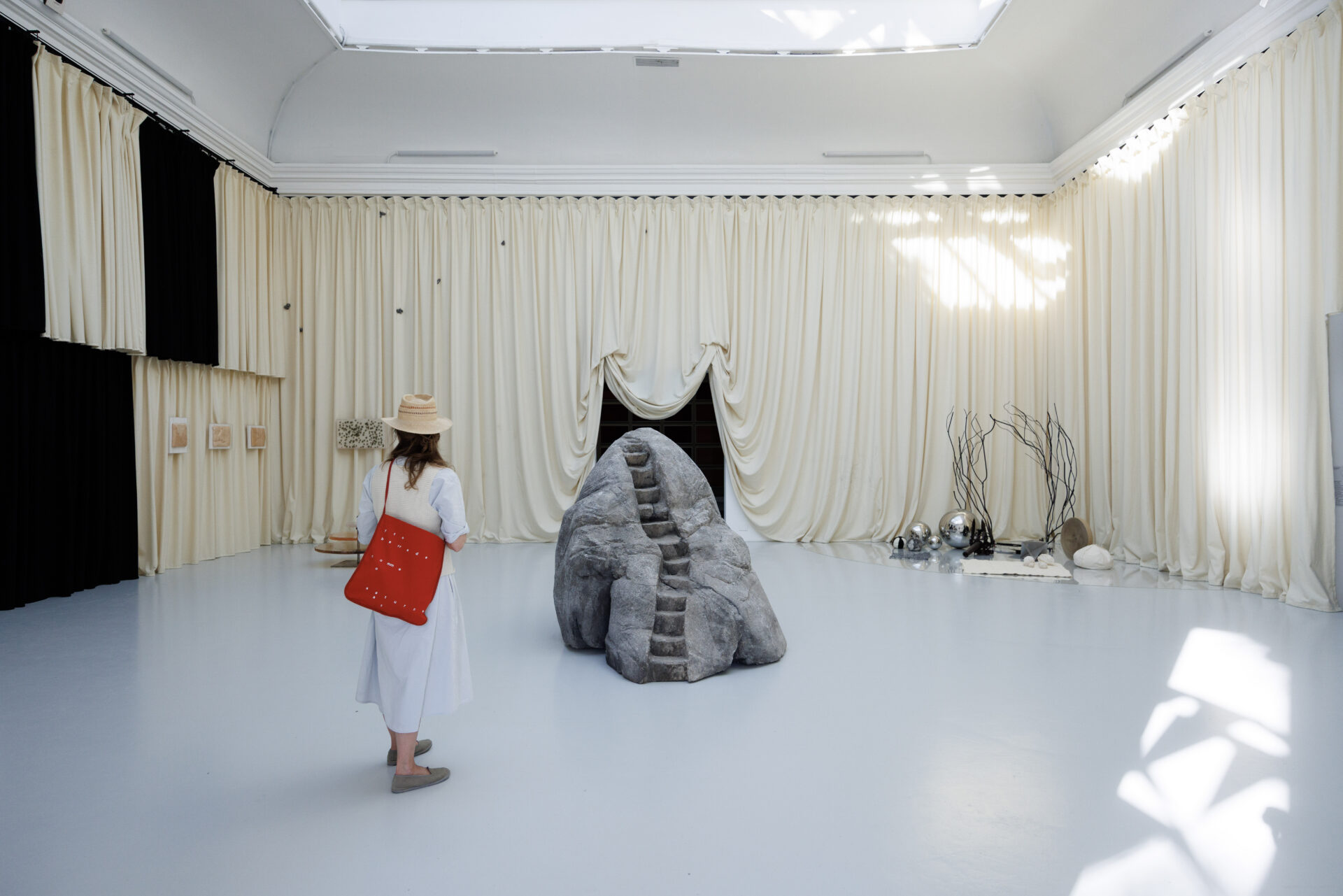
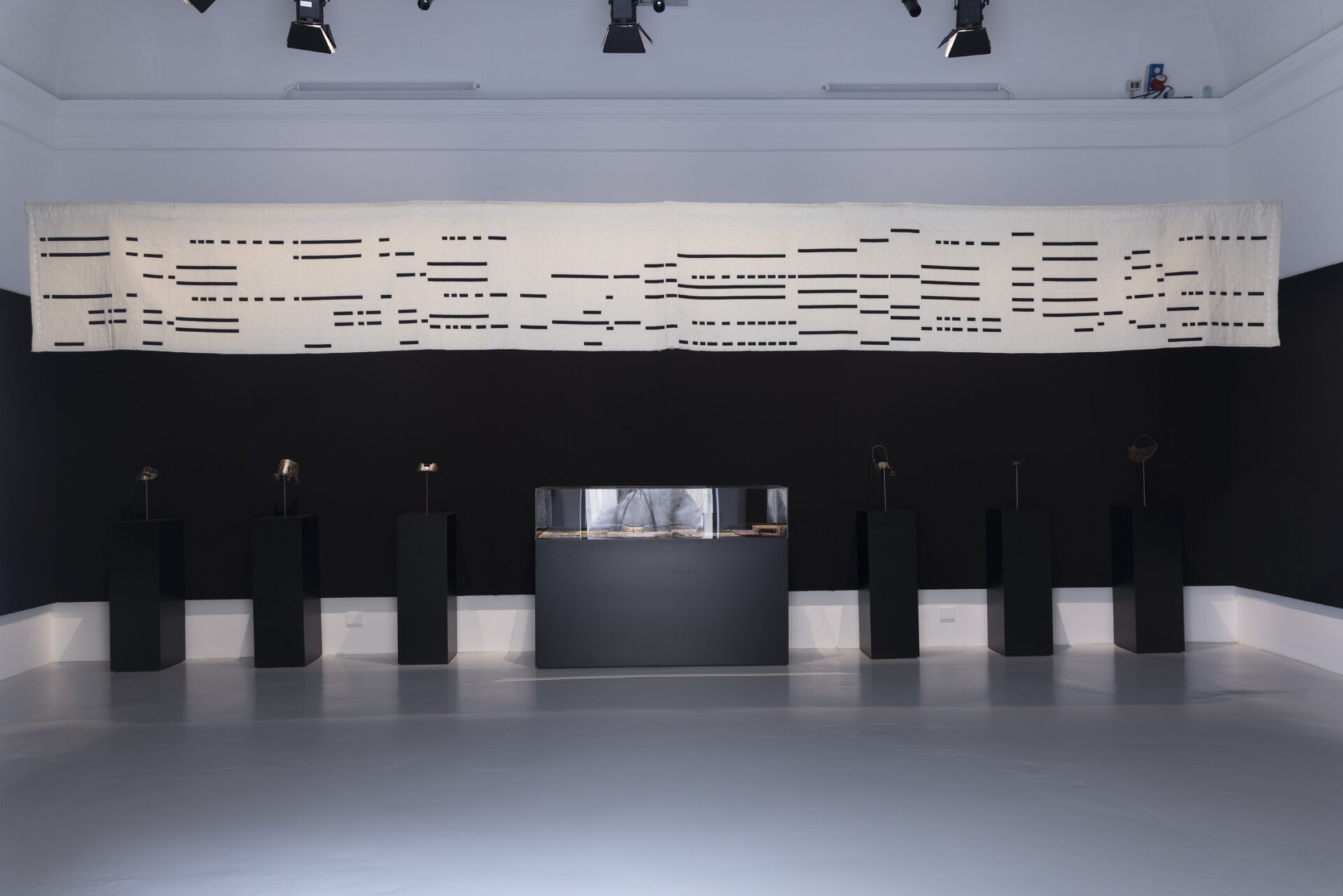
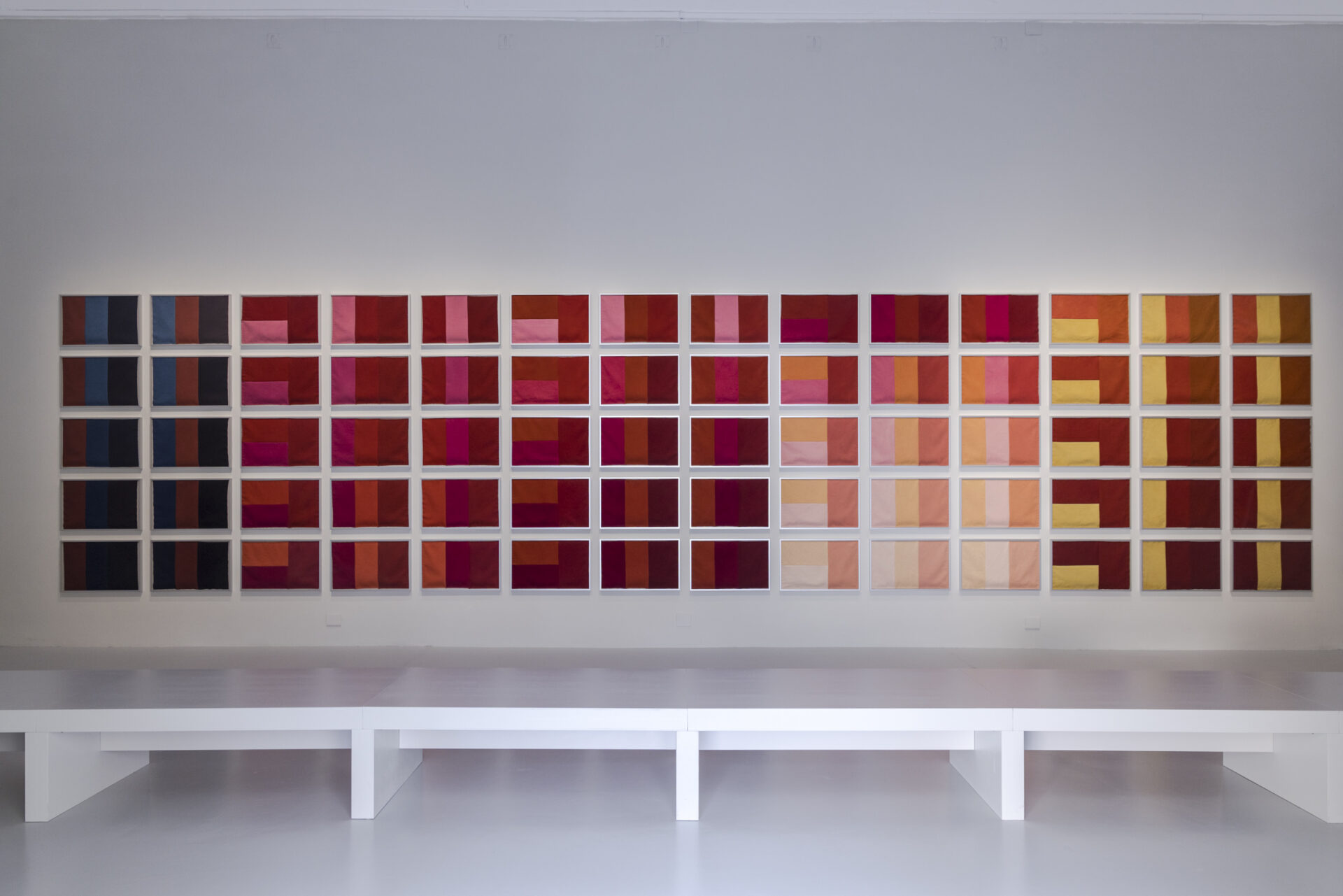
Residues that matter
The threads running through Barrada’s work go beyond the material conception into the city and the people who shape it. Her projects render Tangier’s unfolding history as something one can engage with, like an ever-growing archive of past and future .
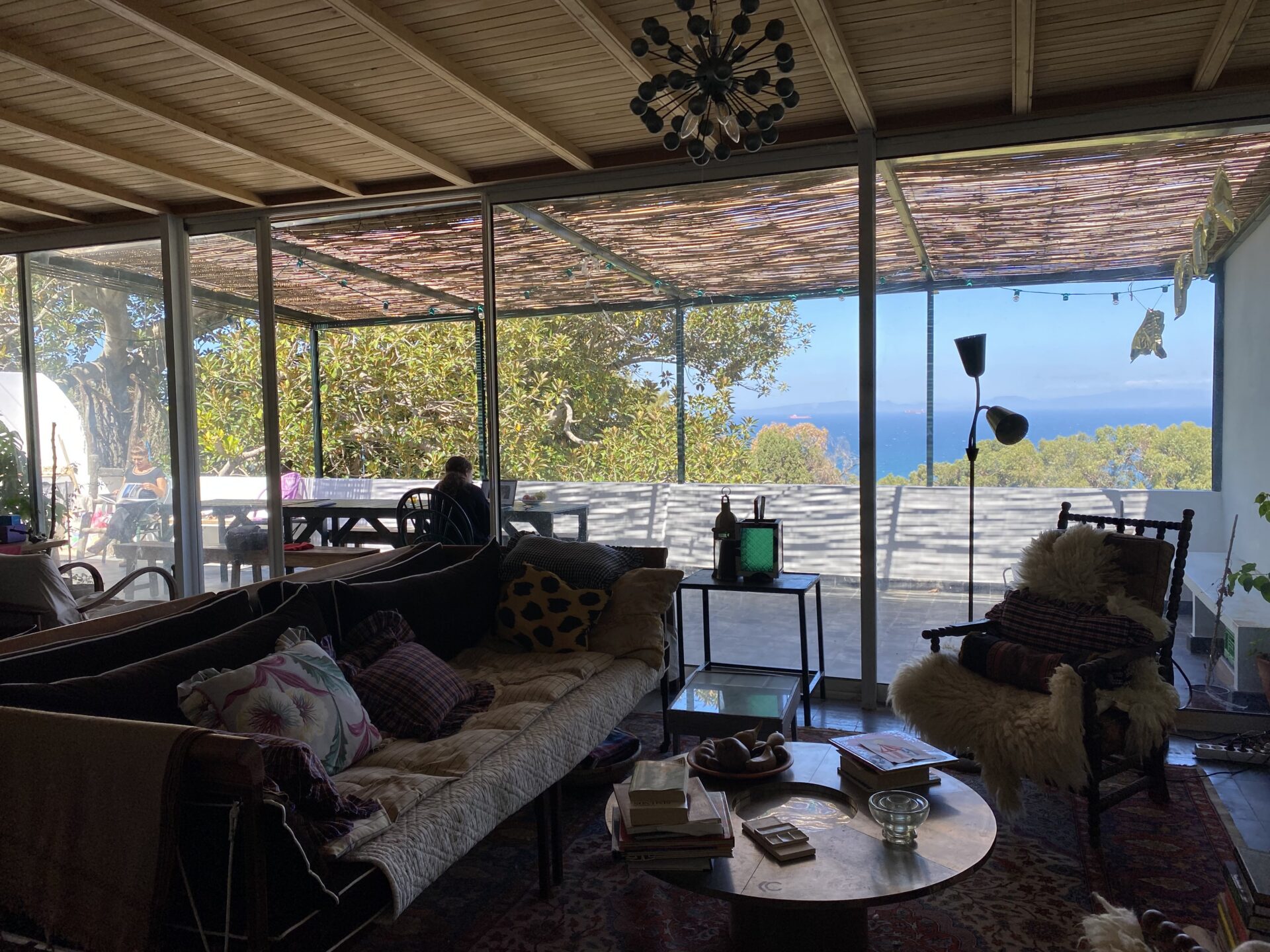
When AZ OOR reminisced about the Mothership, he spoke most vividly about the library inside Barrada’s own house. He moved between the garden and the library, learning from each in different ways. The library is a place of study and of attributing care. Given keys to access every space, AZ OOR responded to the generosity of being hosted by taking care of the space given, for instance, by cleaning dust off the books. To preserve the memory of his residency, he took some of the book dust in a small plastic pouch with him. I couldn’t help smiling at the idea of collecting dust alongside the work of extracting dyes. It tells something about how we quite pragmatically can gather residues that mattered to us.
Dust and dyes are anthologies of memory and material, and can hold forms of “true” color. A garden is not unlike a library, a collection of embodied knowledge. Only the reading works differently, more like listening to the energy moving between the tangling roots and the beloved hands that harvest them.
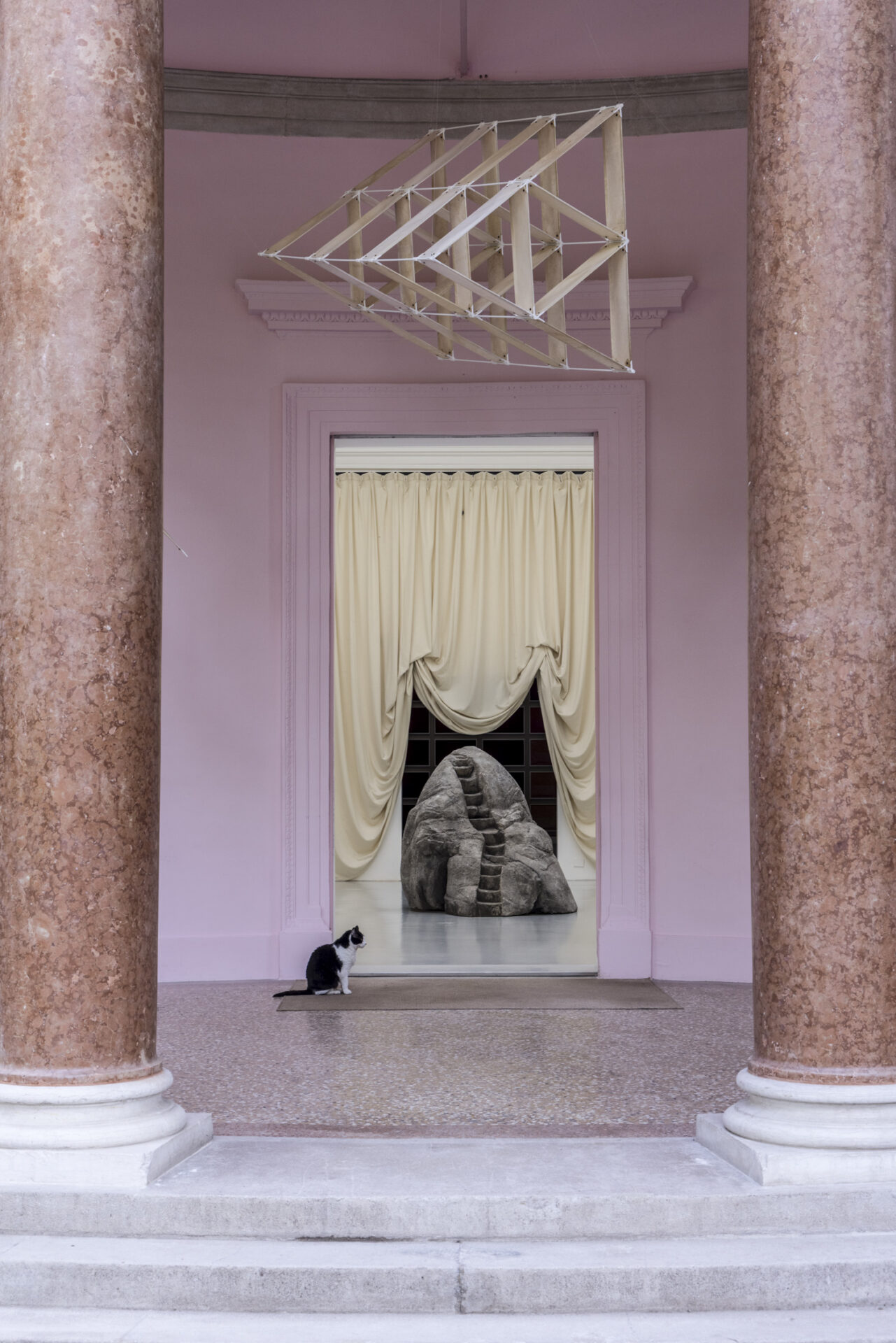
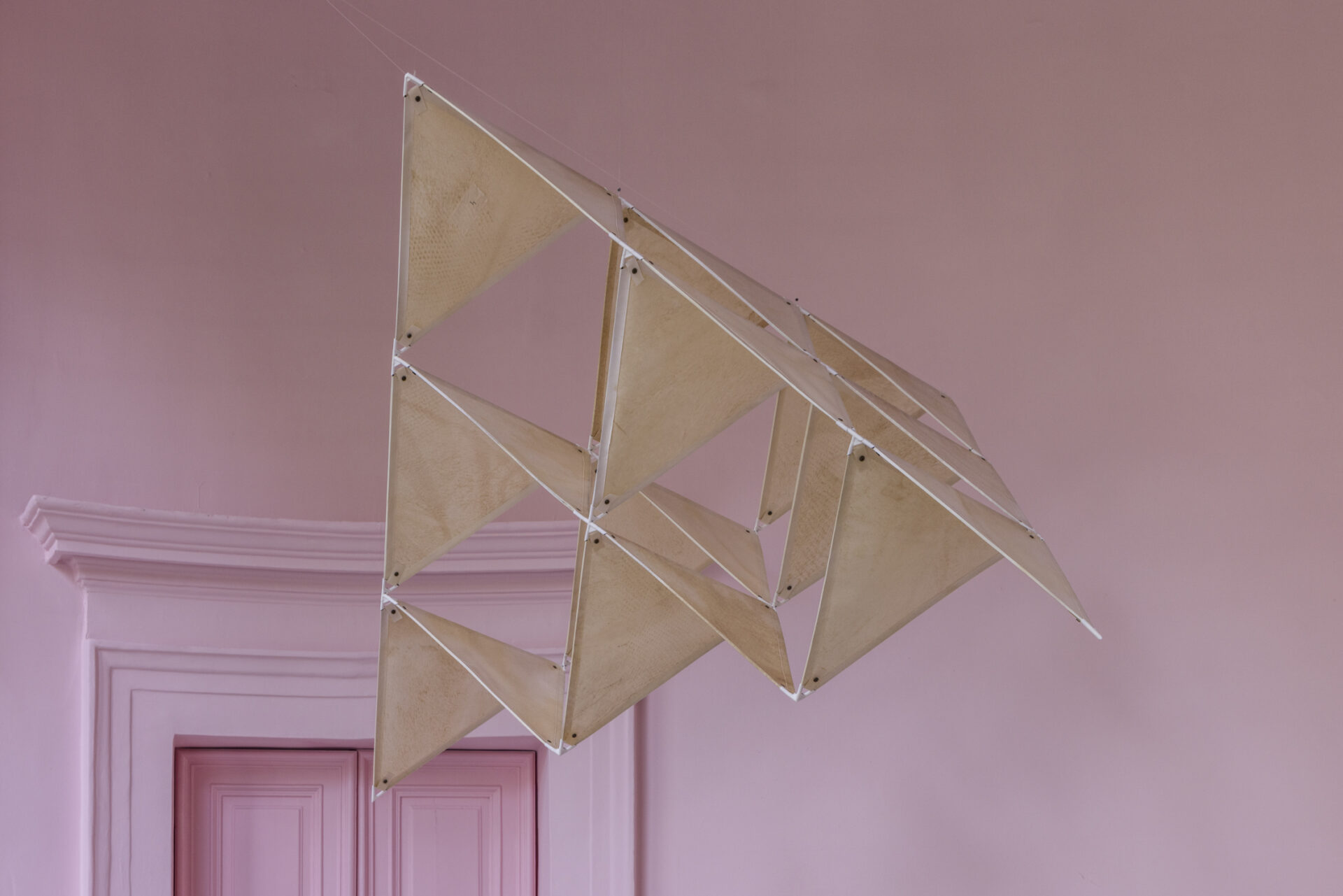
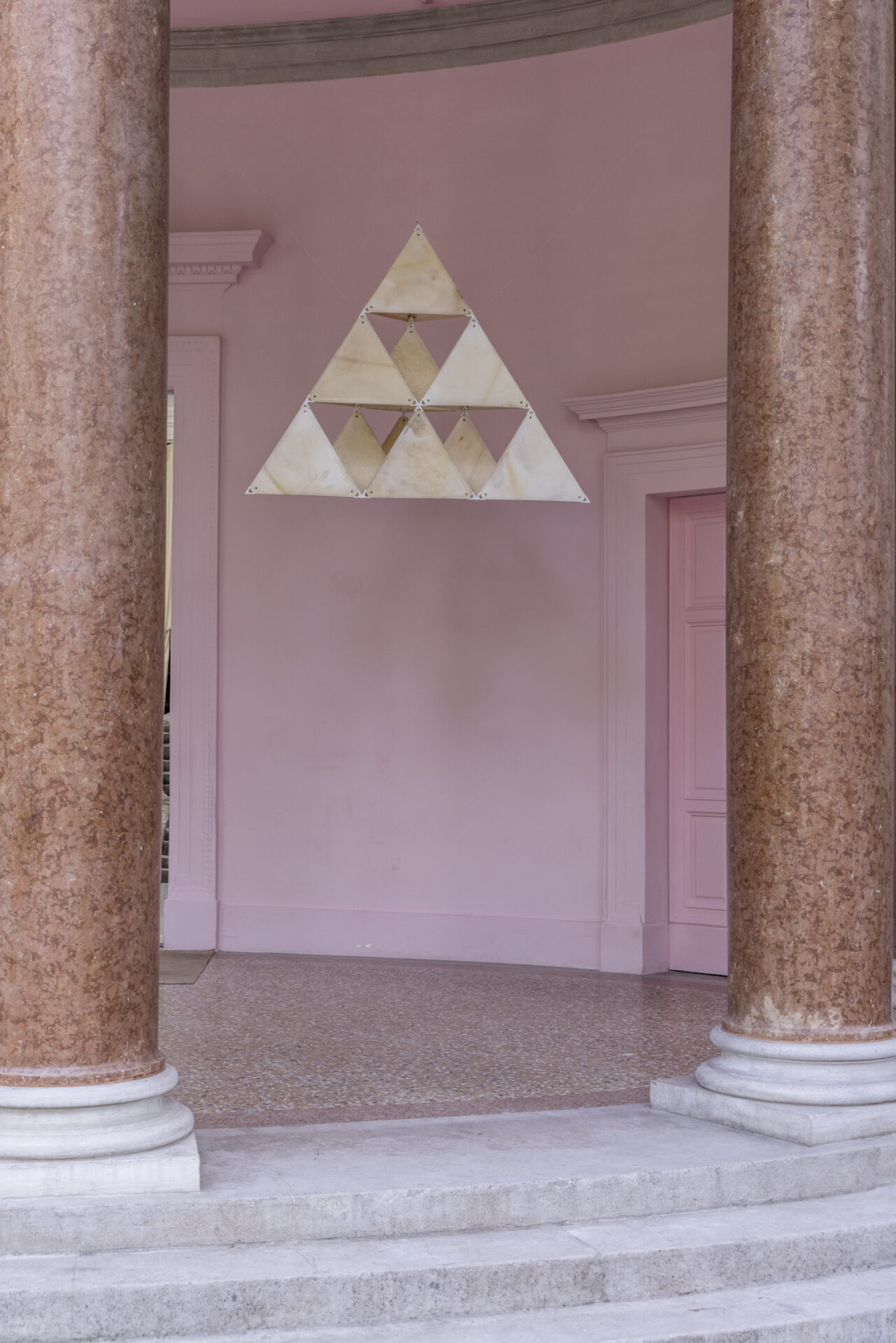
Yto Barrada, Comme Saturne, French Pavillion, 61st Biennale of Venice, Giardini, 9.5 t/m 22.11.2026
Maike Hemmers
is an artist based in Rotterdam