Rehearsing For Freedom in a Post Colonizer/Colonized Dynamic – Eight shows at Melly
The newly appointed artistic director of Kunstinstituut Melly, Gabi Ngcobo, opened her season of programming with eight shows. Musoke Nalwoga visits the different exhibitions in search of Ngcobo’s artistic tone for her six-year tenure.
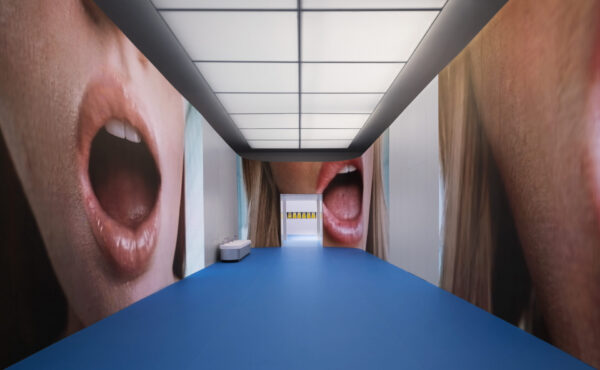
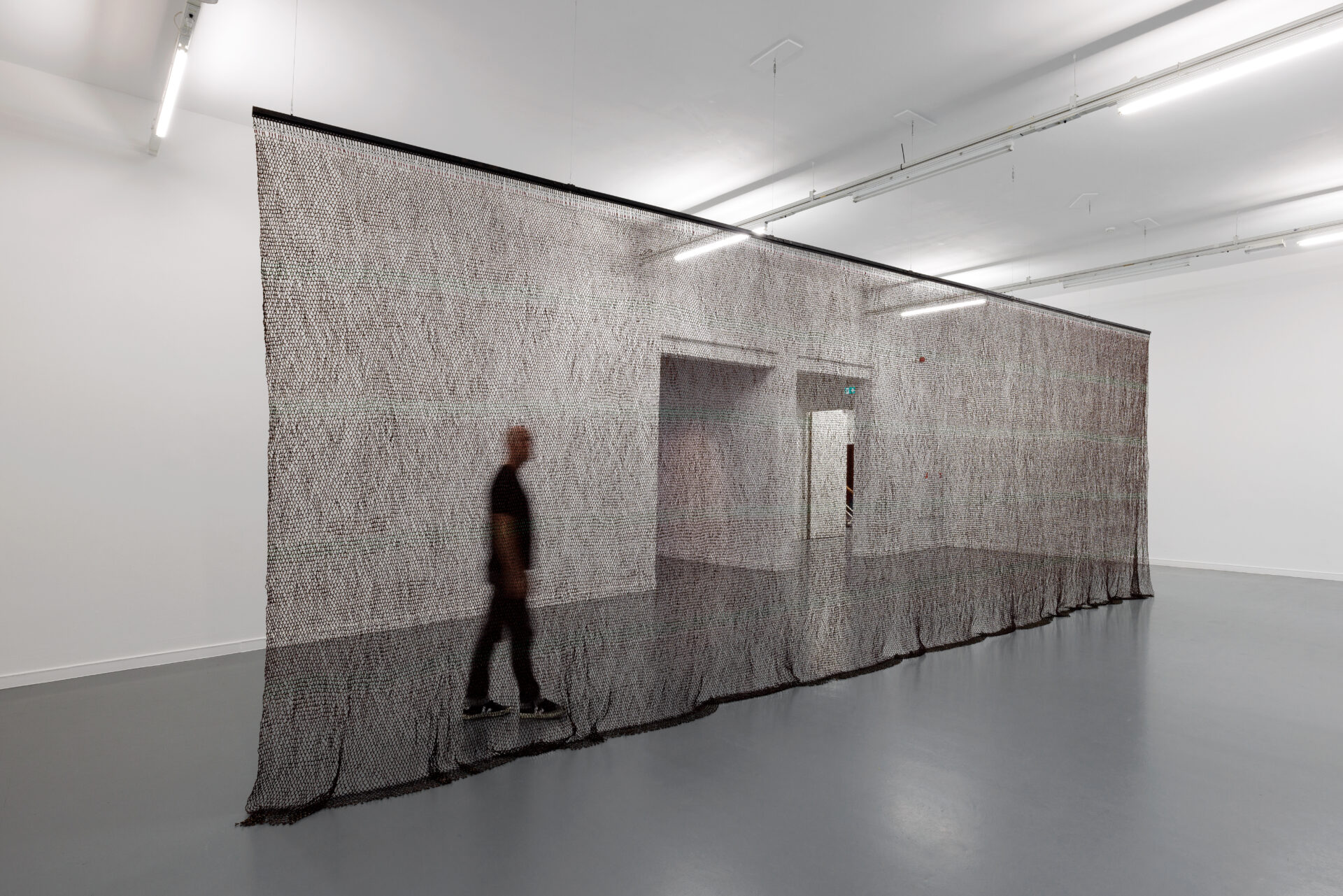
Horizontally hung and stretched high to fill up the entire space, a fabric visually akin to a fisherman’s net, is my first sight of the new season of exhibitions at Kunstinstituut Melly. Once inside, I see now it is part of the group show Pickup Notes. I smell cloves and when l come closer l also see beads and threads intertwined in an iterative triangular pattern. The smell and repetition in Madiha Sikander’s installation Majmu ā (2017-18) is overwhelming my senses. Tembisa (2002) a composition by Andile Yenana exacerbates my feeling of being in trans. In the hallway, I encountered Vusi. Although I have seen the man be brilliant before, jazzing in township bars inside of viral Youtube and TikTok videos, inside of Zara Julius’ video installation Maroon Time, 2024, I am helpless too. The music stretches and kneads and contorts and bends and swings Vusi back and forth in visceral cadence.
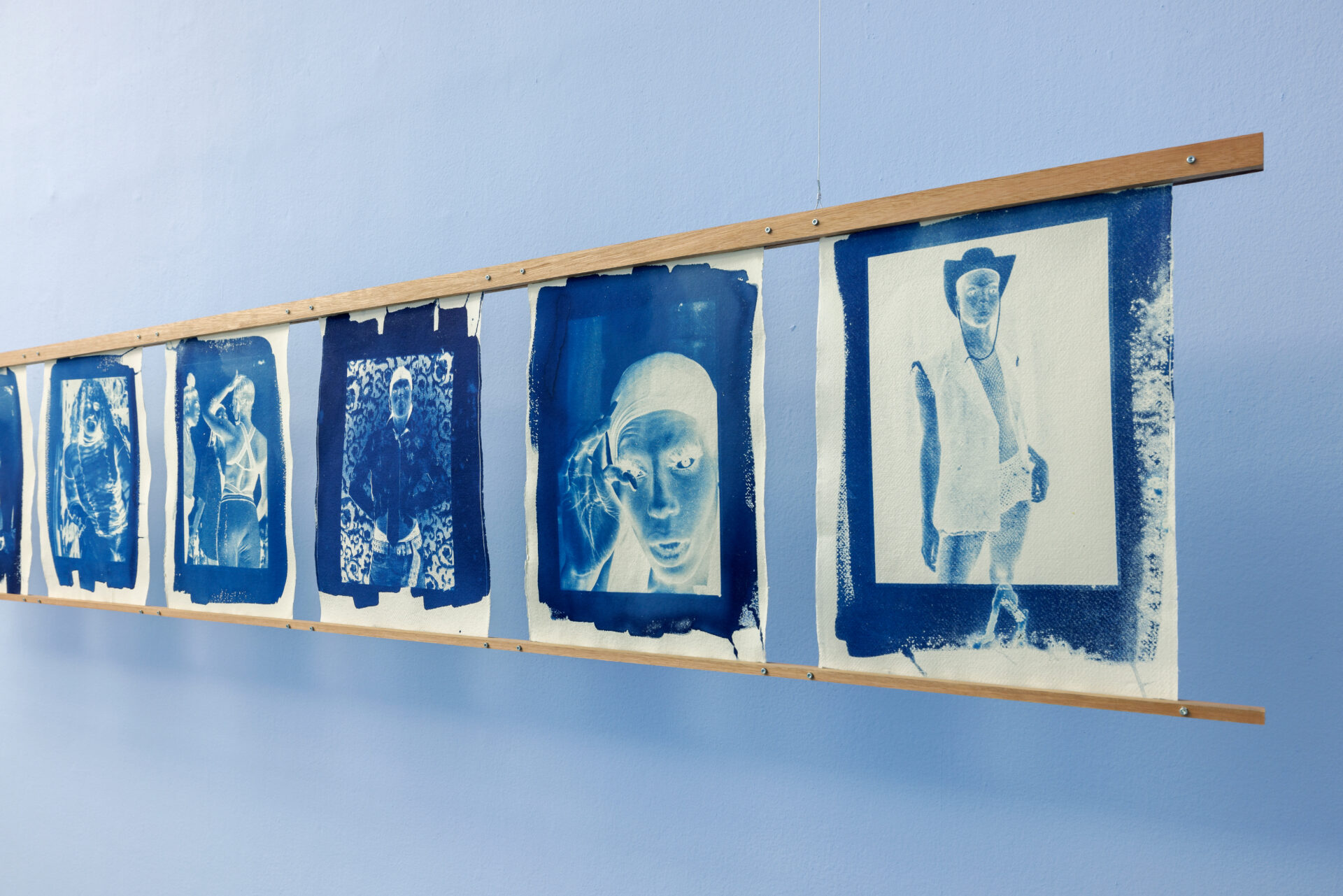
In the next room, I come upon the first of Liz Johnson Artur’s photographs; a tapestry with an image of a dancing figure printed on it hangs heavily from the ceiling. Its weaving is pixelated, hence reading as repetitive and opening up space for Yenana’s Jazz composition Tembisa (2002) to rattle the pixels and imbue the dancing figure with movement. A small cyanotype hangs right of the tapestry. At first glance the cyanotype reads as music scores but soon morphs into a flock of pigeons. The blue-black of rows of cyanotypes in the third exhibition gallery hit a feverish balance between invisibility and quasi-erotic exhibitionism. Locked in tight frames, Artur’s subjects are protected by the fact that we can only read them as a cumulative vibe that is there and not here. This hyper-visible invisibility emboldens them to practice waywardness.
Pickup Notes embodies a piggybacking methodology, meaning exhibiting artists bring other artists with them; Sikander’s installation is a collaboration with many art students, Julius’ Maroon Time (2024) brings Vusi and Andile Yenana, and Arthur’s cyanotypes bring many subjects with them. There is an effort to pile sensations and feelings too. With the smell of Majmu ā and Yenana’s music functioning as a connecting thread through the exhibition. From this repetition, piggybacking and pilling of sensations the exhibition emerges as conceptually improvised and positions all meaning making endeavors in the realm of critical but open-ended visions of possibilities.
Thema's
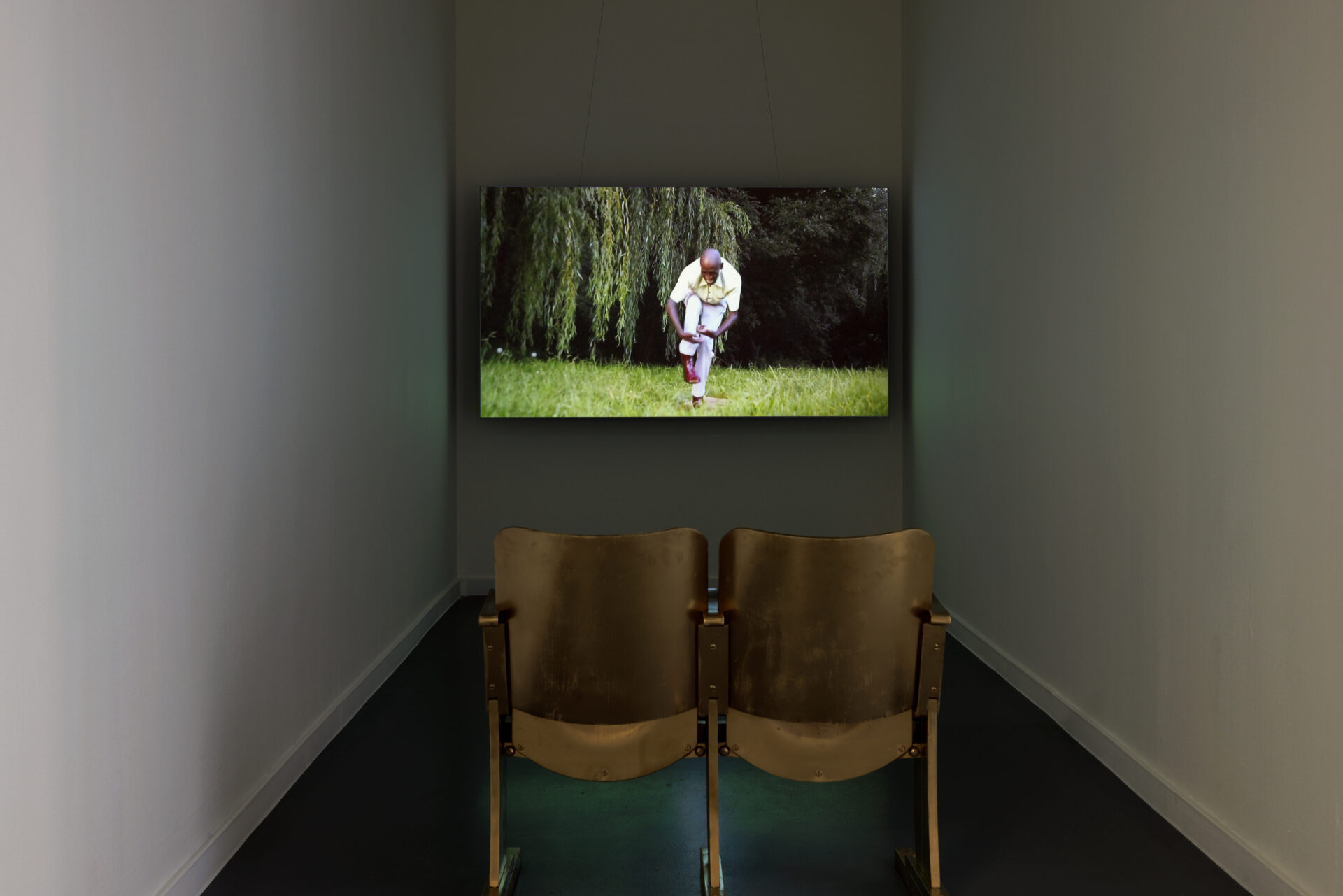
Pickup Notes is part of the new season of programming at Kunstinstituut Melly that introduces artistic director, Gabi Ngcobo, and sets the tone for her six-year tenure. Being a South African, Ngcobo’s curatorial offering has an auto-curative character that rubs up against the shared histories of colonialism between South Africa and the Netherlands. Ngcobo’s curatorial thesis explores what it means to work and act in favor of freedom. However, I wonder what this freedom might look like when it is sought in the land of the colonizer. This collision between the personal and the implicitly political surrounding world, opens up fertile ground for growing politically charged scenarios around what it means to be free together within a post-colonizer-colonized dynamic.
Here Ngcobo’s understanding of the personal is tentative and collectively conjured. It is still unknown to her who she is as situated in Rotterdam and what the southern African context that she brings with her means now. She thus introduces trusted collaborators that take turns in holding these questions with her. In the concept of reverse archaeology, Nolan Oswald introduces a theoretical springboard in refusing to treat the past as a resource to be extracted and rather as a tool. Reverse archaeology as a red thread renders the exhibitions as scenarios, perfectly set to lure the audience into scenes of charged histories with no inclination towards resolution.
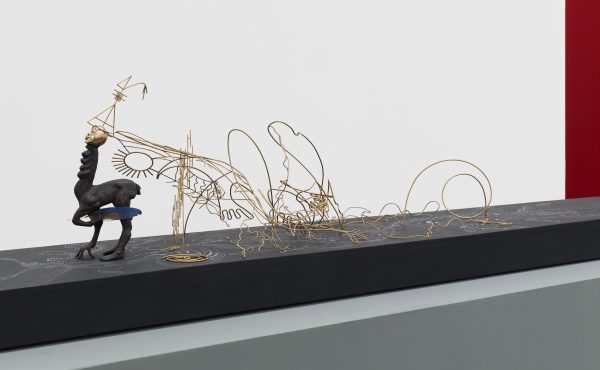
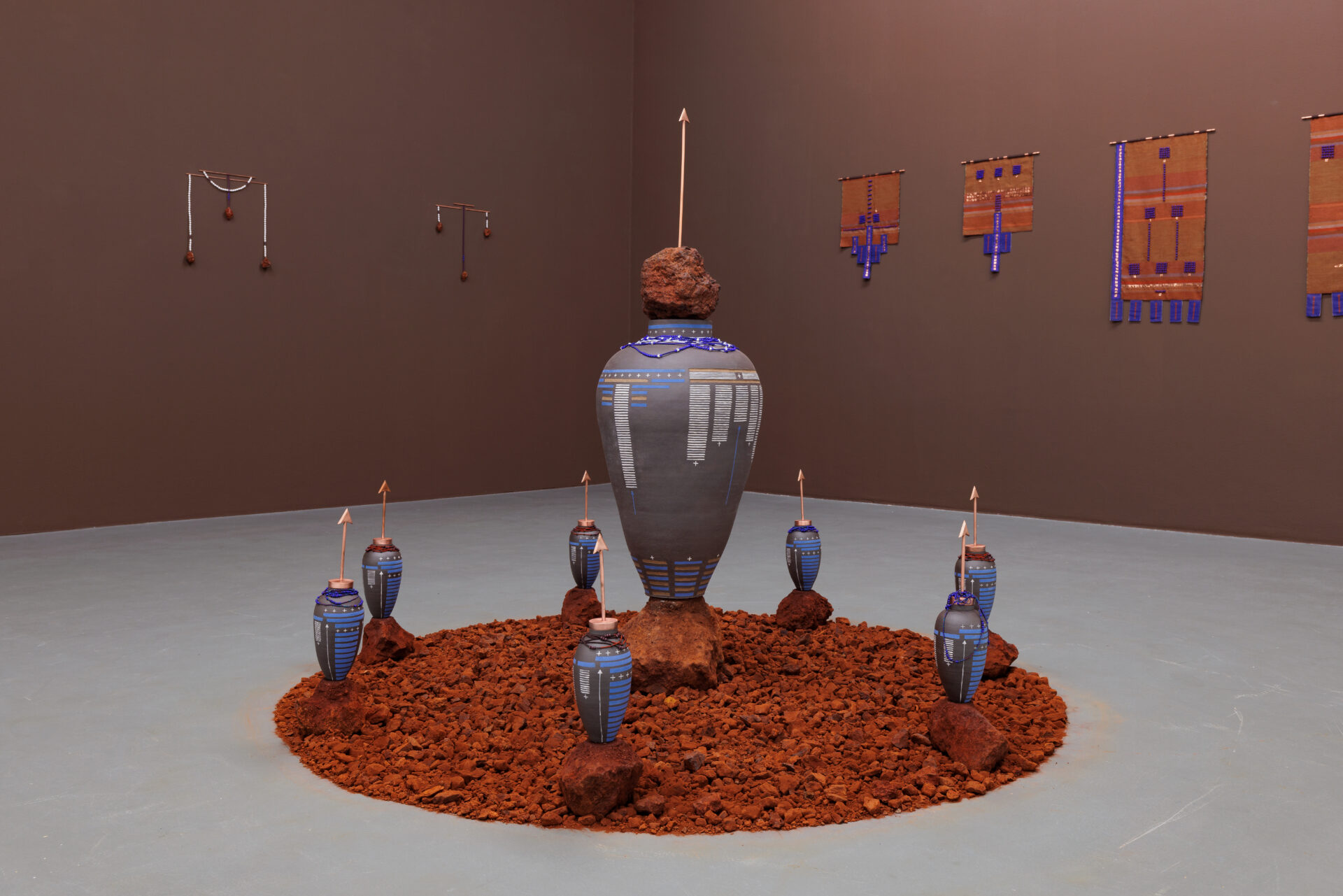
One such collaboration occurs in The beads of my rosary are artillery bullets; a solo exhibition by Brazilian artist Luana Vitra. The function of Vitra’s show is similar to that of Thato Toeba’s interior design intervention, and Nolan Oswald’s solo exhibition. They all serve to define the Southern African context that Ngcobo inevitably brings with her. Vitra spent six months in Durban, the place of Ngcobo’s birth to learn traditional wire weaving and beading techniques typical to the area. What emerges is a sophisticated shrine with beads and red clay pots and rocks and intricately woven fabrics. As though tracking time, from stone to clay to pot to bead to spiritual transcendence. The many arrangements of altars that l pass thrust me into a rehearsal for a decidedly southern African spiritual tradition.
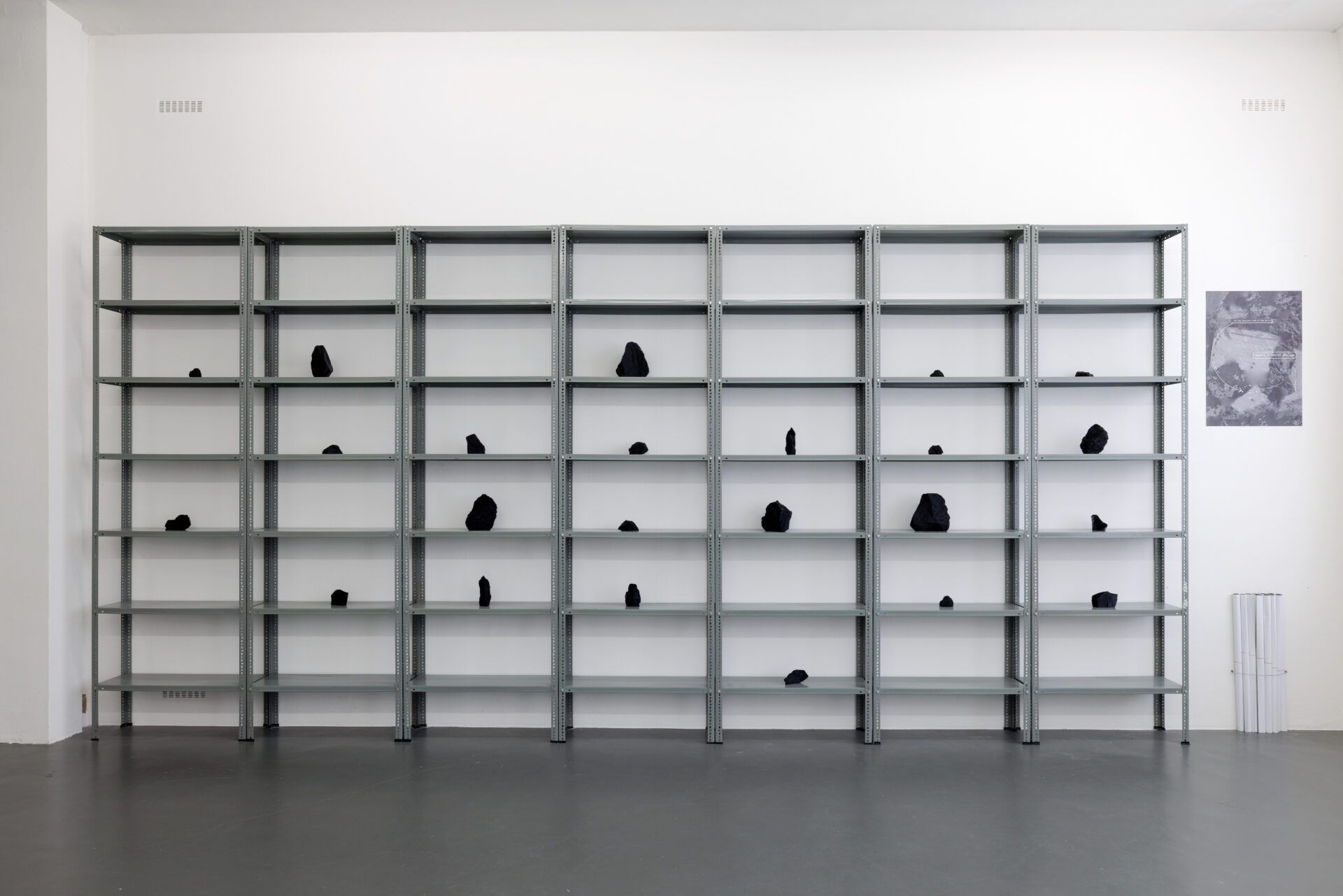
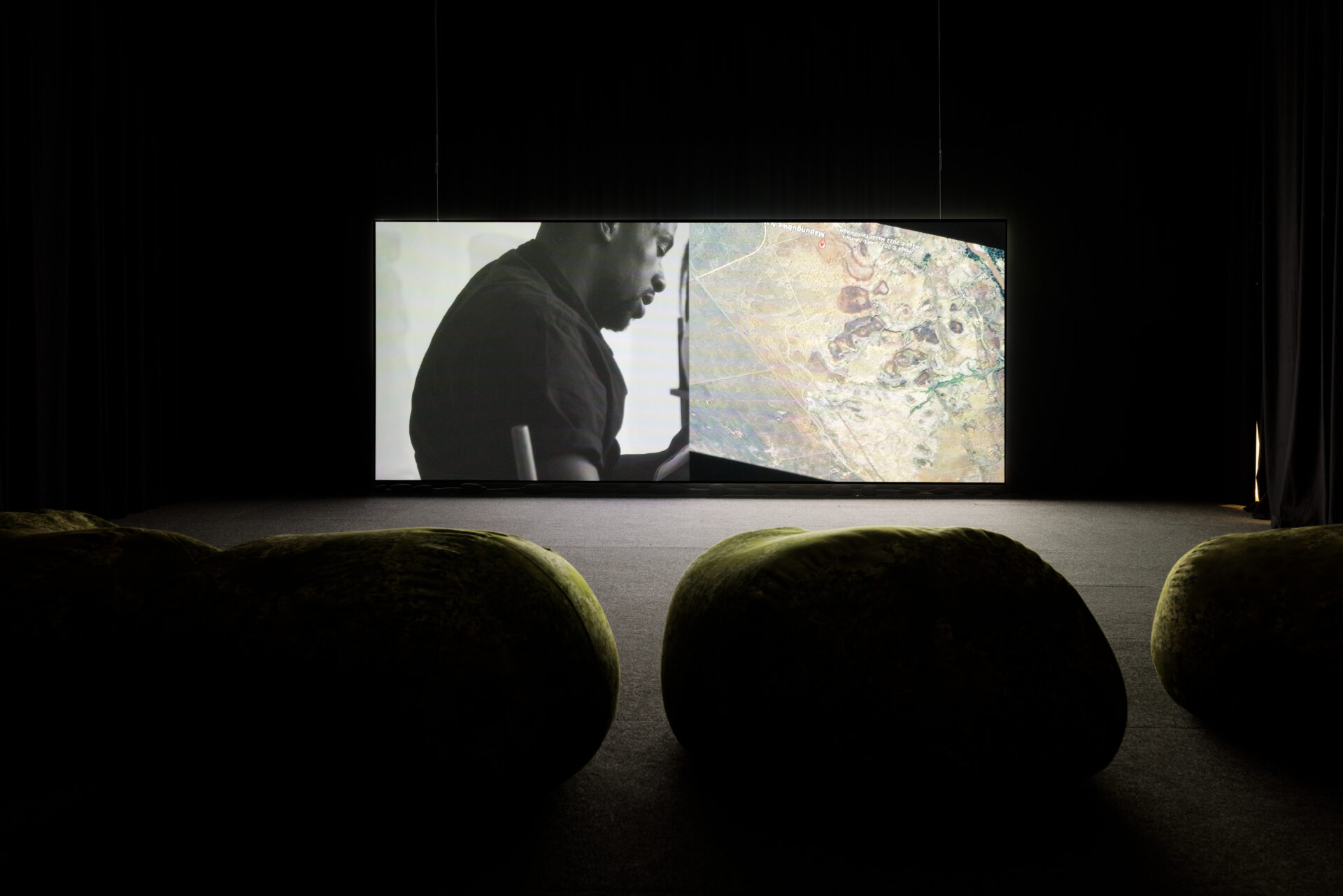
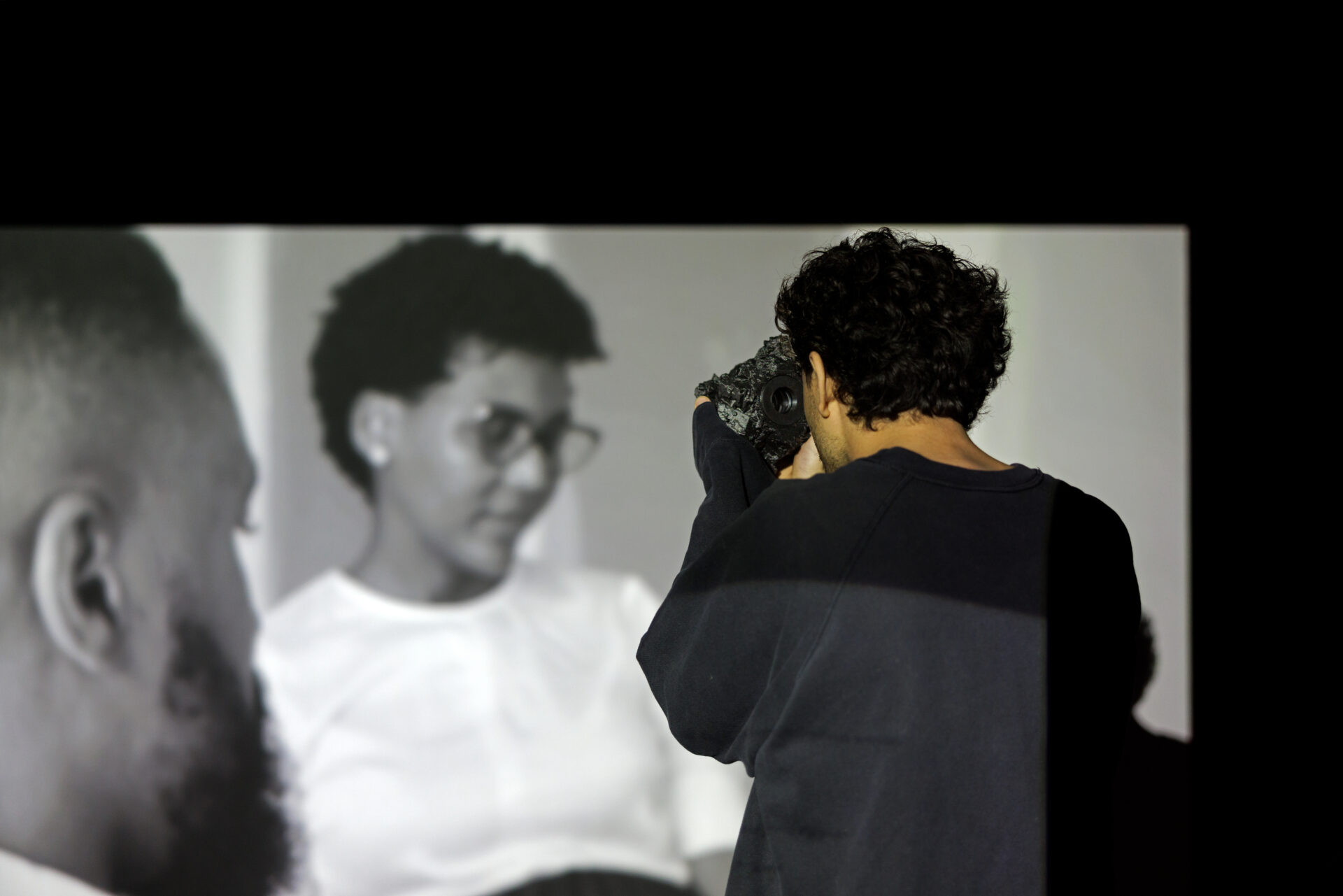
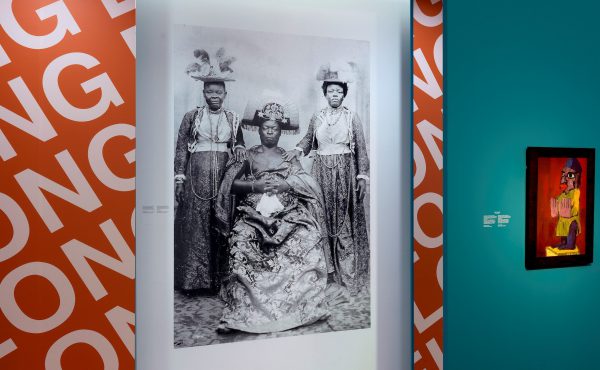
For Tools For Conviviality, Thato Toeba, a collage artist from Lesotho, a country that is situated in the belly of South Africa, shows us how it feels to be inside of South Africa. She offers an interior design intervention that is reminiscent of a living room in Cape Town or Johannesburg or Durban or Pretoria. At the far end of the canteen, the wall is filled with a heavy-handed wallpaper collage. Images of a southern African sensibility emerge from characters cut out of National Geographic magazines. Pictures of the sea, brides, priests, crosses, chickens, are assembled. In the middle of it all, a true slice of life in a cutout of renowned South African photographer Sabello Mlangeni’s daughter. A comparative reading of what historical powers claim to know of South Africa and what South Africans know of themselves.
Turn off the Lights: Disco Ball #13 A Kind of Black by Jabu Arnel hits me viscerally. I immediately feel that the outside is here. The assemblage of stones, boxes, steel wires, haphazardly sprayed silver announces a transformative newness. The work feels not only distant in space and time, but beyond ordinary experience and the conception of space and time itself. Entities that are not yet established have found an obscure place to practice survival. A process, a showing forth of living things whose relationship to their environment is dislodged: misfitted.
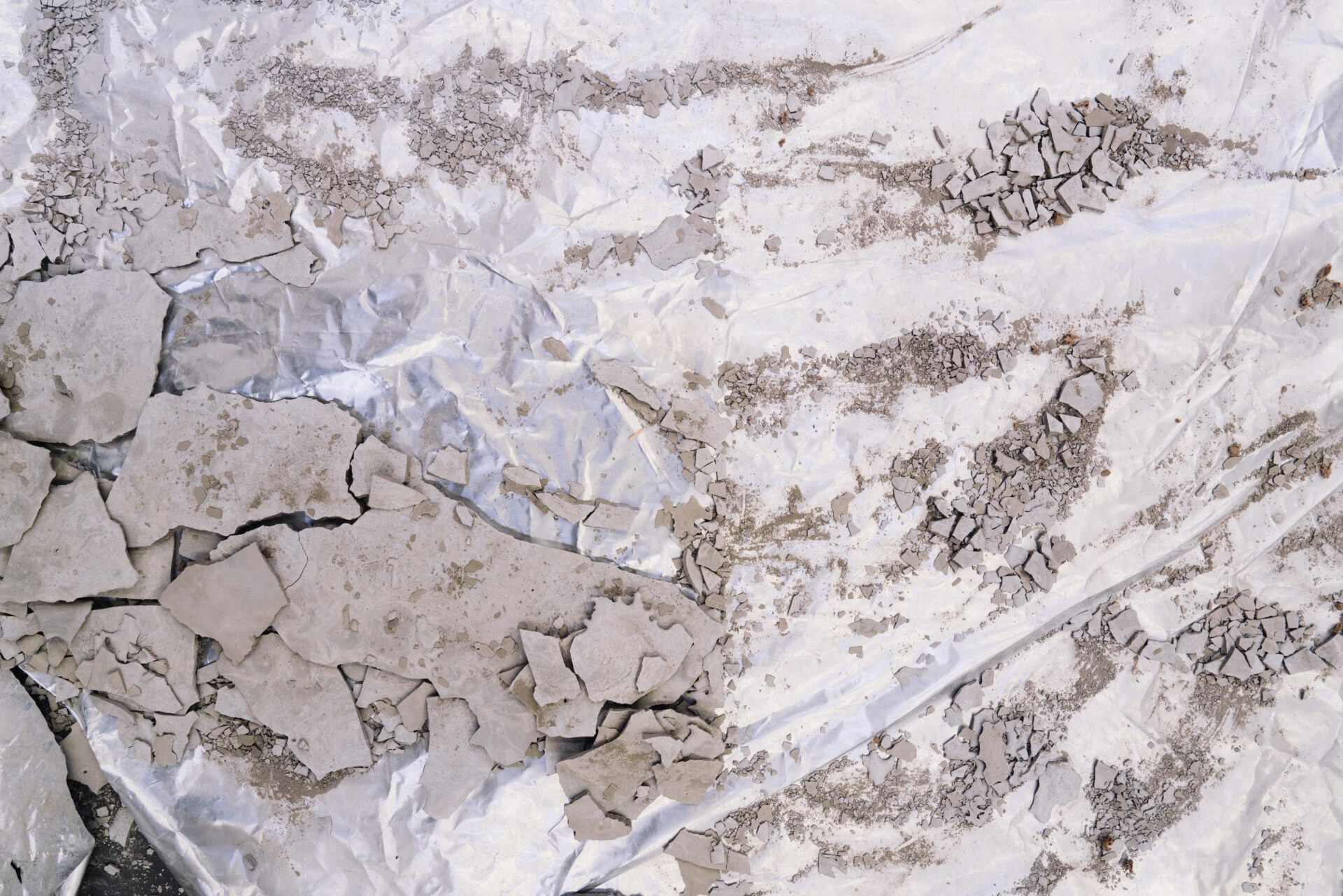
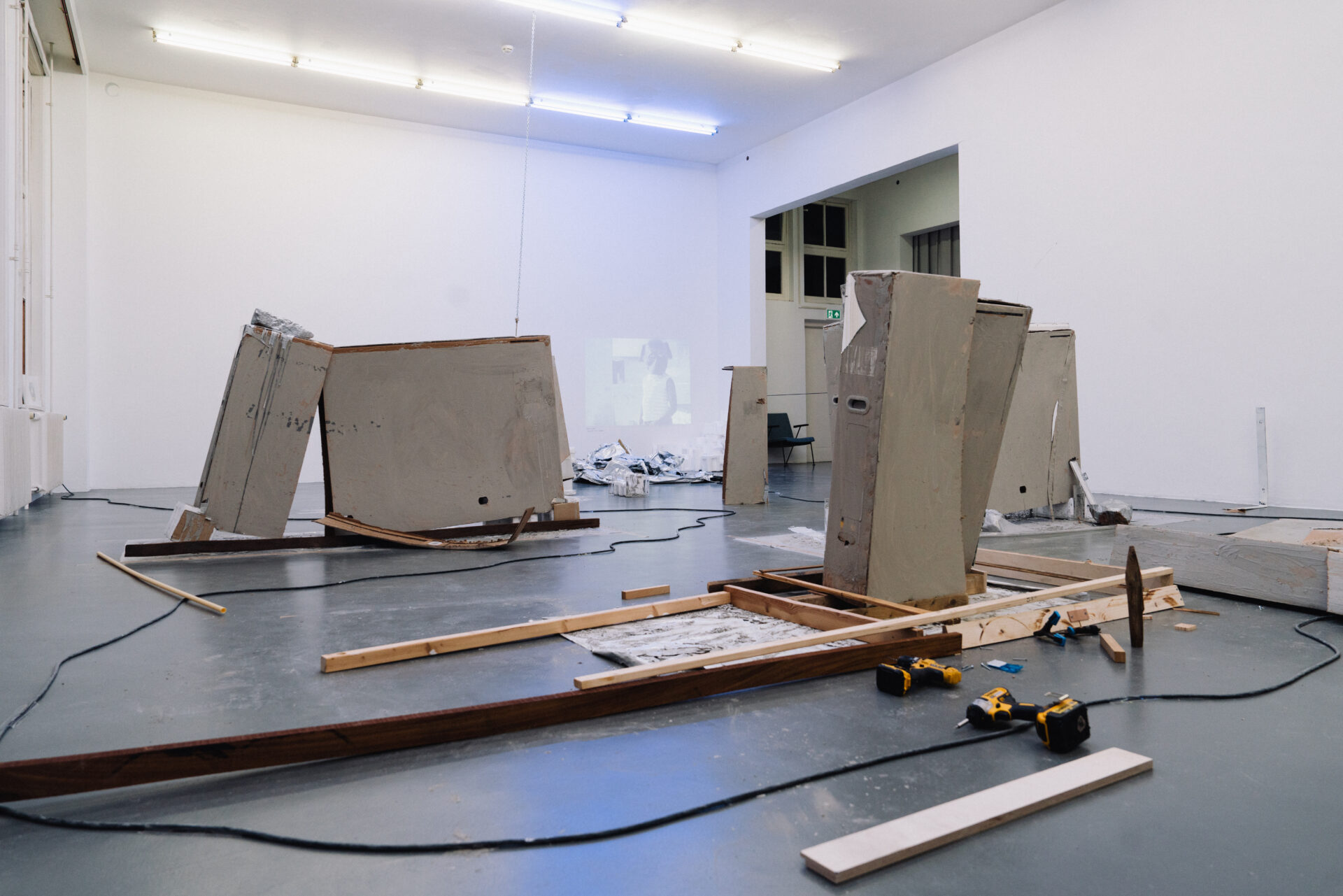
‘People think I’ve come straight out of the wilderness. I believe that, in certain areas of the Netherlands, and the other countries I visited, people would have happily fed me ground glass’ First Tour of the Old World, Josephine Baker, 1930.
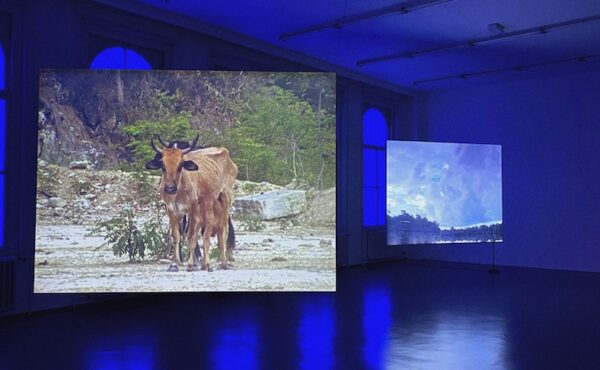
Ngcobo’s coming to the Netherlands as a world acclaimed cultural worker occurs almost a hundred years later. But l am hesitant to argue that these arrivals are dissimilar in essence. This similarity is exemplified in Dismemberment, a solo exhibition by Sara Sejin Chang (Sara van der Heide), that explores what introducing a non-western artistic practice to European cultural institutions might entail. In a video installation, a condescending, yet witless German gallerist cunningly gets whisked through a dismemberment/ssitimgut ritual. In tandem, we as viewers are taken apart by the gods, and also cleansed of that which no longer serves. A sharp reminder that here in Europe, we are always already entangled.
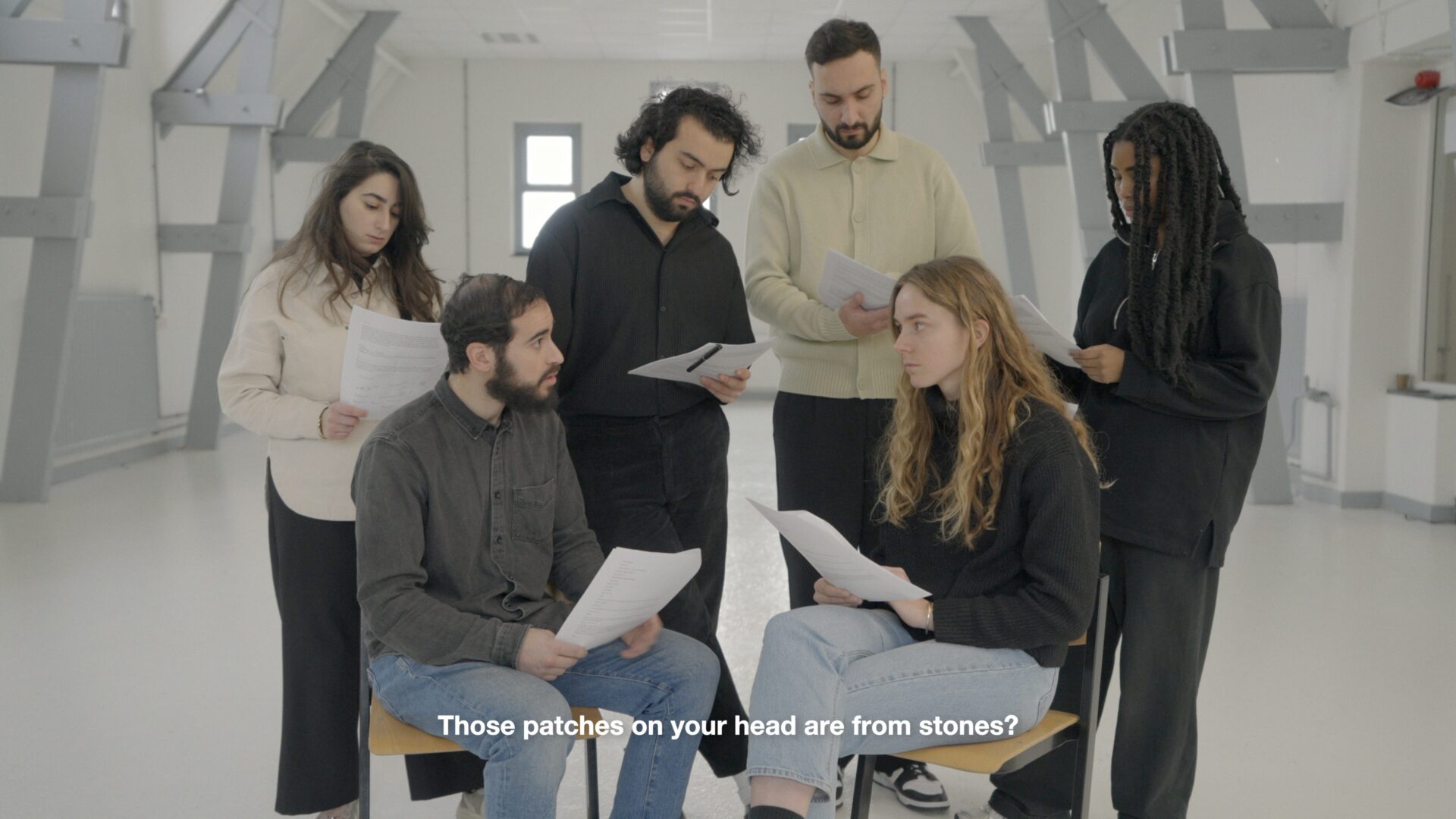
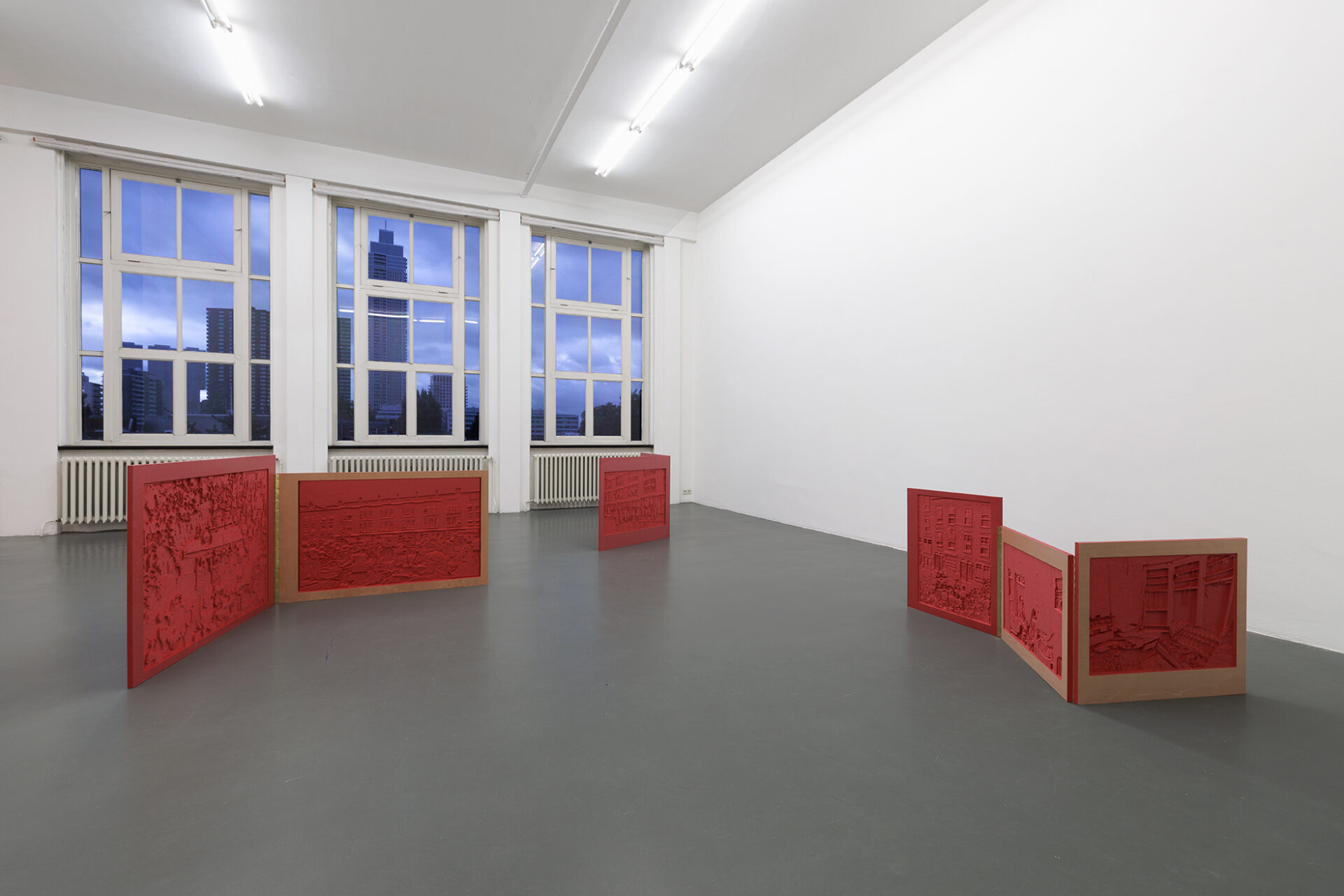
This idea that for a non- western practice to be well received in the West, it would have to heal the west first, also resonates in Cihad Caner’s work. In (Re)membering the riots in Afrikaanderwijk in 1972 or guest, host, ghos-ti, Caner, tries his hand at navigating the wounds left by the 1972 race riots in Rotterdam’s Afrikaanderwijk neighborhood. During these riots, Dutch people from all over the country poured into the Afrikaanderwijk full of schadenfreude, to froth at the mouth as even more Dutch people destroyed homes in a majority Turkish neighborhood. All archival information around the race riots is brought into the exhibition, through re-enactments and translations and tours of the neighbourhood. A myriad of perspectives are served, establishing a collective memory of riot, yet also rending this memory tautological. In (Re)membering the riots in Afrikaanderwijk in 1972 or guest, host, ghos-ti, an inquiry into Rotterdam as context is laid bare.
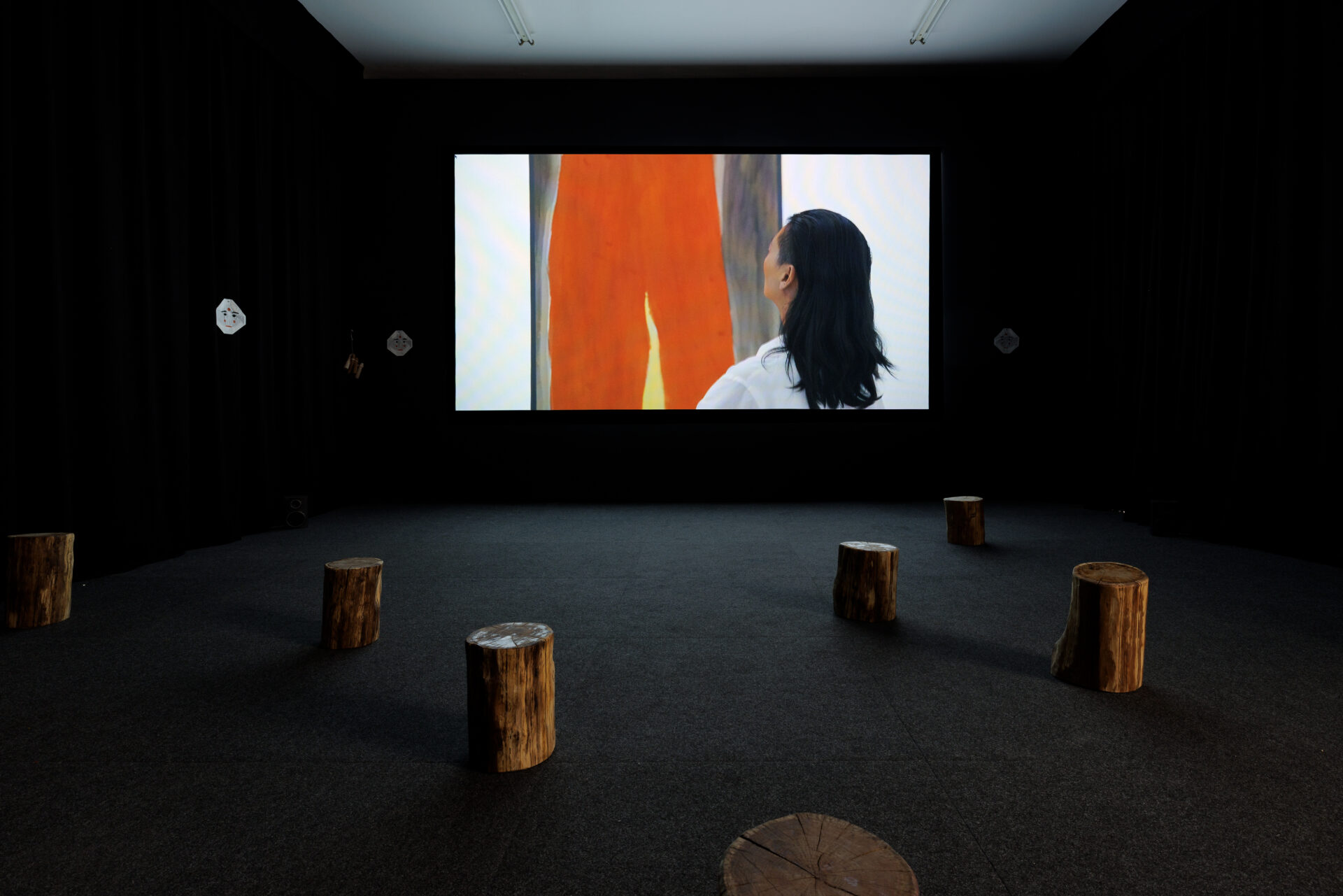
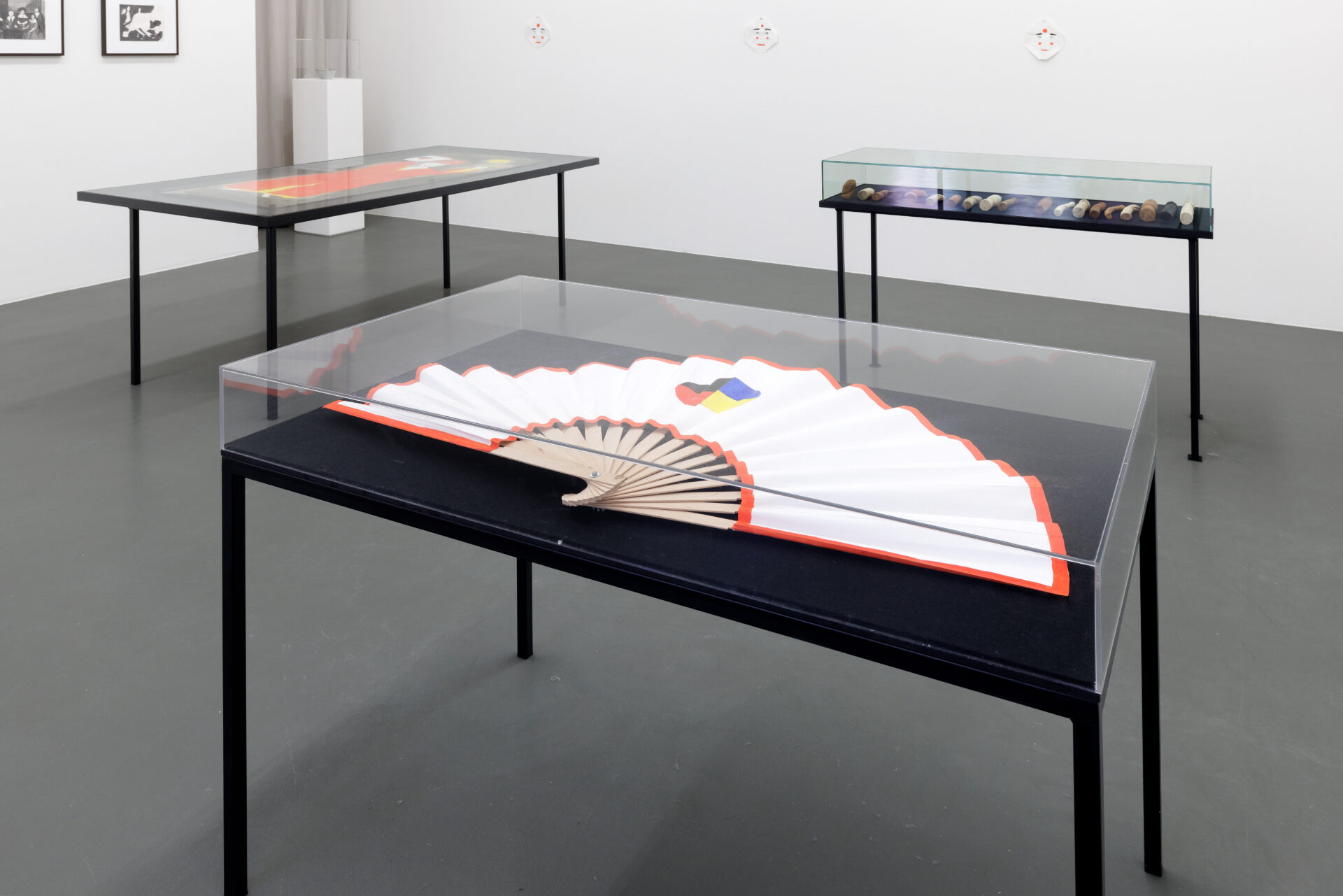
In the trend of brilliant African cultural workers taking on directorial positions in Western institutions, I expected a curatorial offering that allowed Europe to swallow Africa whole; exhibitions that are pan African, pan diasporic, Afrasian and 100 year surveys. What l encounter is an exercise in restraint. A questioning that is above all honest. What does it mean that an encounter with the West is mediated by non-western individuals? Is decoloniality a tactful exchange of power back and forth between the West and the non-West? Ngcobo’s tenure is promising.
The exhibitions are all on show until the 27th of April:
Pickup Notes: Liz Johnson Artur, Madiha Sikander en Zara Julius
Cihad Caner: (Re)membering the riots in Afrikaanderwijk in 1972 or guest, host, ghos-ti
Jabu Arnell: Turn off the Lights: Disco Ball #13 A Kind of Black
Luana Vitra: The beads of my rosary are artillery bullets
Nolan Oswald Dennis: geo-logics
Musoke Nalwoga
is an independent curator and writer based in Amsterdam