2024 > 2025 Year in Review – Best show, performance, book and artist of 2024 – Part 1
We asked Susanne Figner (curator and deputy director Kunstmuseum Kleve), Nuraini Juliastuti (researcher, educator, curator), Melanie Bühler (curator Kunstmuseum St Gallen and writer), Staci Bu Shea (writer, curator and death doula) and Musoke Nawolga (founding curator of Mortormond, Amsterdam), to chose their favorit show, performance, book or artist of the year 2024. (Go to Part 2 Here)
Susanne Figner:
Marlin de Haan: We can´t seem to find a reason to stay quiet – Bilker Bunker, Düsseldorf, February 9 & 10, 2024, 19:00-22:00

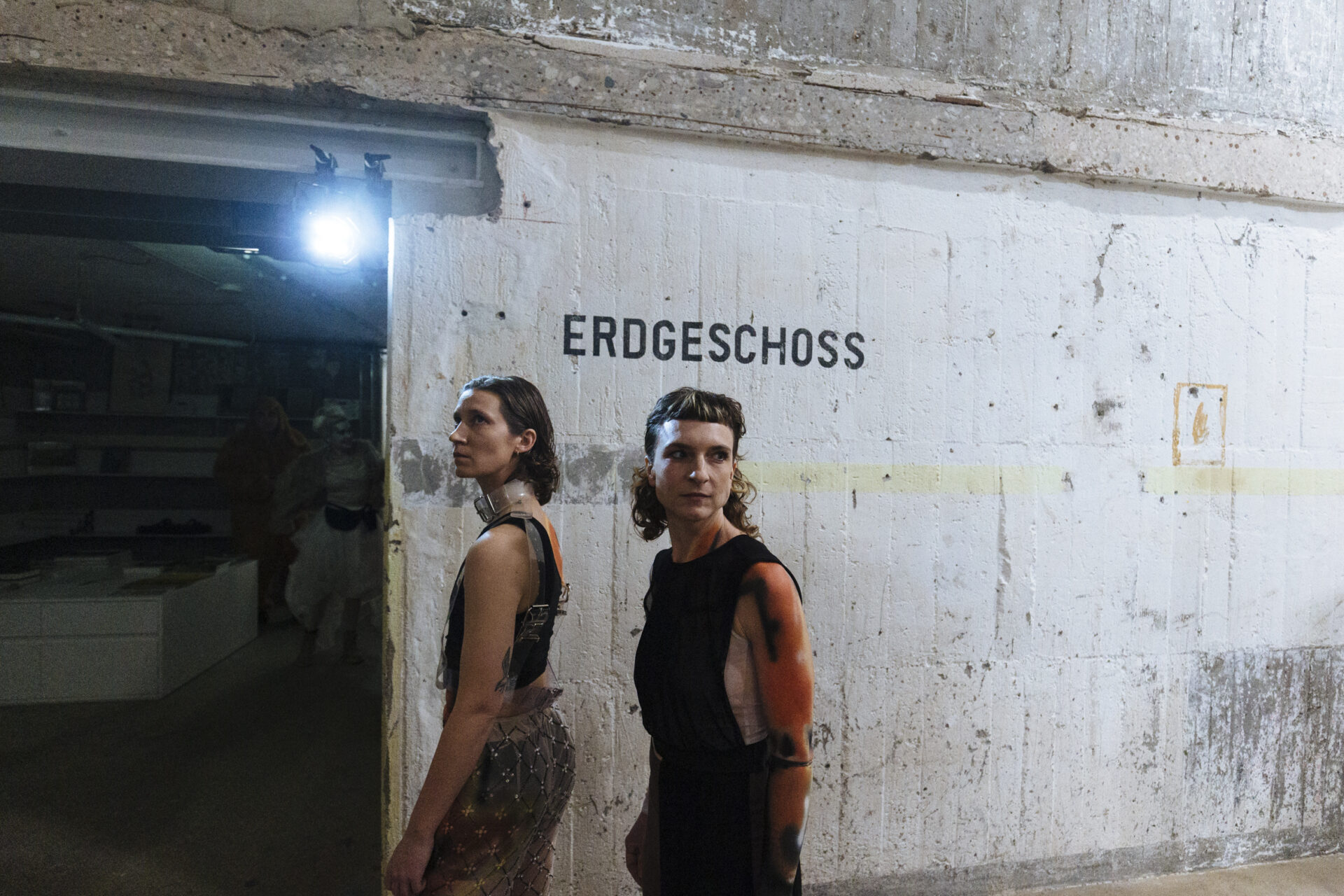
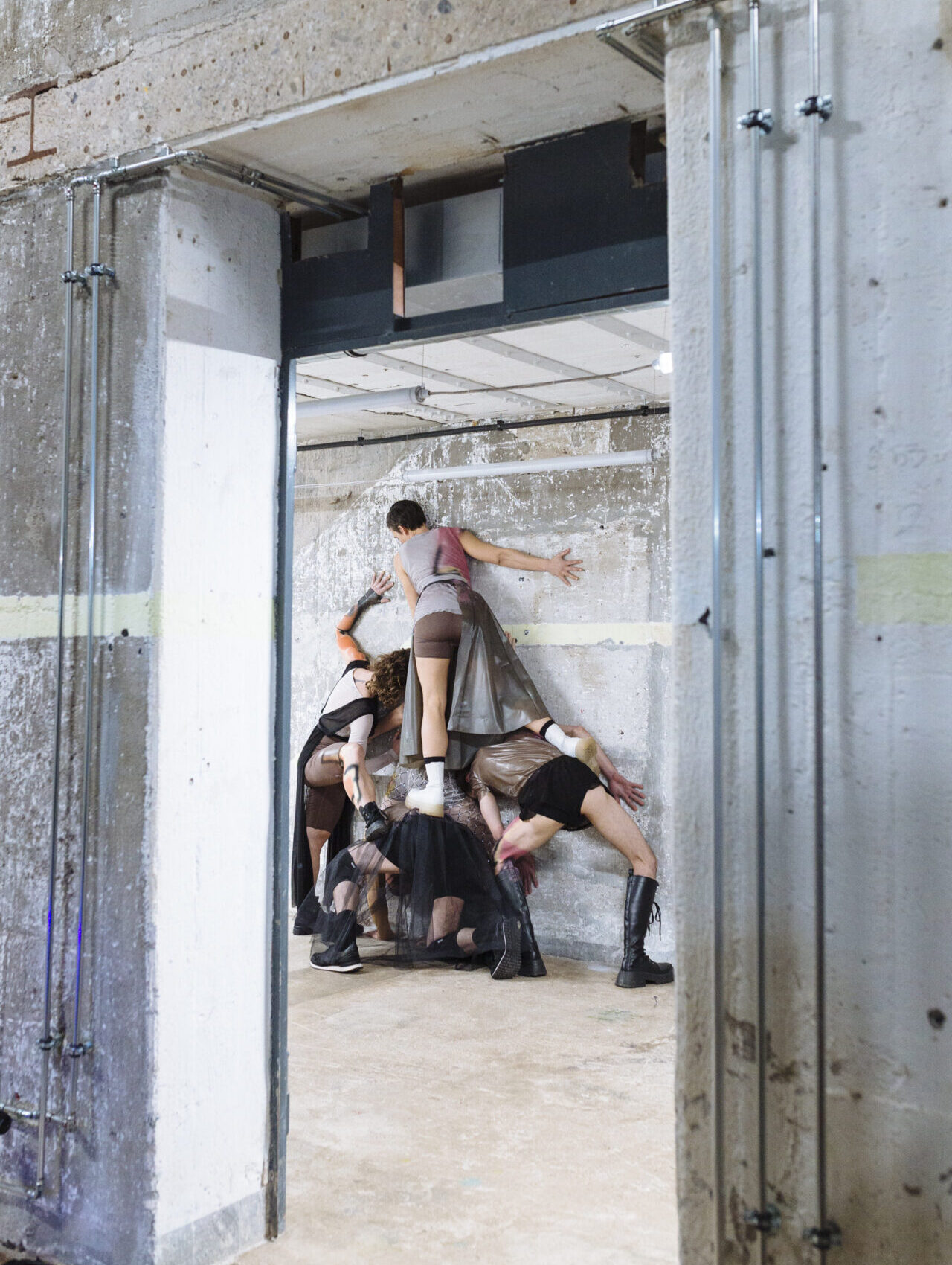
The performance titled We can‘t seem to find a reason to stay quiet directed by Marlin de Haan and taking place at the Bilker Bunker in Düsseldorf immediately transported me back to a ‘Zurich of the 1990s and its youth culture. It was a time when the city was still conceived to be ‘Zureich’ (too
rich), and when empty factories, houses, and basements were taken over for one night or several weeks to live and stage events. The squatted locations were as interesting for their architecture as they were for their new social scene.
In contrast to many places in Zurich, the Bilker Bunker is different, however, in that it has been saved from demolition and development by local citizens who wanted to keep the building as monument against war and fascism. De Haan took all this into consideration, interweaving architecture and history with contemporary subculture. Using the theme of the electro party as a place of freedom and creativity but also one of hedonism, exhibitionism, uniformity and boredom, the performers combined simple, individual, movements such as running, standing, and staring with more complex moments of collectivity. The performers used the entire bunker (several rooms on two floors), and it was up to the audience to decide if they wanted to wait for something „to happen“ or explore the performances in the adjacent spaces themselves. The sound was based on early female electronic pioneers, using drones as means to bring the bunker to vibrate. After an hour we left, only to walk into a polar bear on the street outside (carneval!), bringing yet another twist to the party.
Nuraini Juliastuti:
Learning Palestine
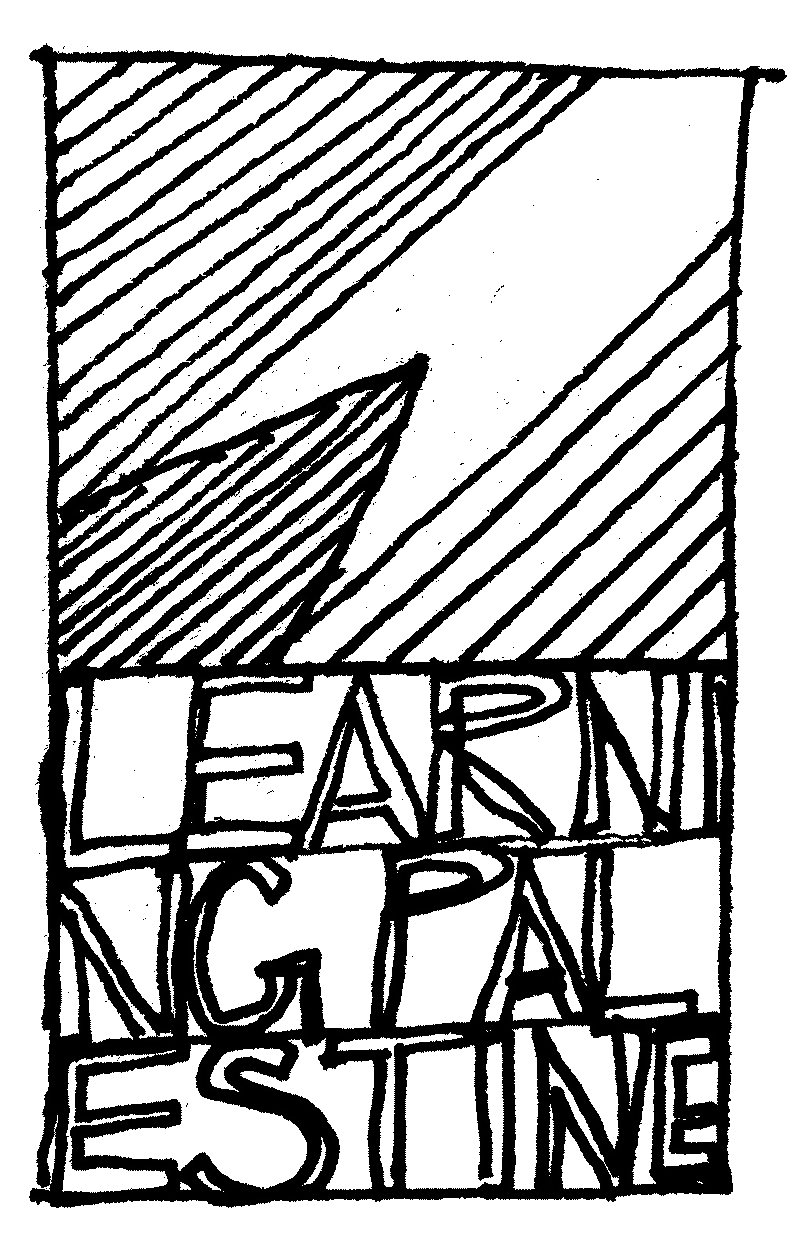
As the genocide towards Palestine continues, backing with the deafening silence, ingrained racism, and uncritical voices against Israel occupation to the Palestinian territories, I find myself keep on coming back to the Learning Palestine website ( https://learningpalestine.hotglue.me/ ). Learning Palestine is a website contains curated resources and statements about and around Palestine liberation movement. In their own words, this is the definition of the group: “We are a group of artists, academics, intellectuals and community members, who aim to disseminate knowledge on the history of the ongoing struggle for justice, liberation, and freedom of Palestine and the Palestinian People. We wish to practice new and old ways of disseminating this knowledge, that function out with the constrains of social media and corporate controlled networks.”
Learning Palestine is a website containing curated resources and statements about the Palestinian liberation movement. In their own words: “We are a group of artists, academics, intellectuals, and community members who aim to disseminate knowledge on the history of the ongoing struggle for justice, liberation, and freedom of Palestine and the Palestinian people. We wish to practice new and old ways of disseminating this knowledge that function outside the constraints of social media and corporate-controlled networks.”
The website is divided into four sections: Learning Sessions, 12 Hours Radio Programs, The Pamphlets, and The Manifesto. Each section engages with diverse initiatives and materials to narrate Palestinian stories. I joined a Learning Session at De Appel in November 2023, led by Waad — a friend I first met through the IMAGINART (Imagining Institutions Otherwise: Art, Politics, and State Transformation) research group. The session, held in conjunction with the Arts Collaboratory Assembly hosted by De Appel, used Waad’s family experiences as a departure point. Through drawing and storytelling, he mapped the Nakba and portrayed resistance as something inherited across generations.
Initially, I associated the Learning Session—and later the Learning Palestine website—with Waad’s personal project. However, the website does not name its creators. This omission feels fitting, as in times when genocide is live-streamed on our screens, leaving us in despair, we all become Palestinian. Learning Palestine is a collective project. Its diverse materials—sonic, textual, visual, and in-between—enable people to experience Palestine through multiple senses.
The 12 Hours Radio Programs section includes two volumes of Until Liberation mixtapes. These mixtapes contain chants, songs, poems, lectures, interviews, podcasts, talks, live recordings, and book readings and discussions. I first heard some tracks on Radio Alhara. The Manifesto section features the manifesto of the Palestinian Pavilion at the Venice Biennale, which materialized itself as a manifesto titled What is the Future of Art?: A Manifesto Against the State of the World. Although I have never visited the Venice Biennale or the Palestine Pavilion, one sentence from the manifesto has stayed with me: “What is it that cannot be stopped?”
What cannot be stopped, for me, is the ongoing attempt to read texts that illuminate Palestinian struggles for justice and freedom. Personally, I frequently use the resources in The Pamphlets section for teaching. I have downloaded many articles and writings from the website and incorporated them into my classes.
Last summer, Reading Sideways Press and I exhibited a work titled Unfiltered Radio: Tactics for Publishing Critical Inquiries and Transmitting Solidarities, where we distributed some pamphlets. In October, during a strike, I organized a small reading session instead of holding a regular class, using readings from the website as the focal point. Following university occupations and student encampments, there have been many reading sessions intended as vigils.
The word “vigil” suggests reading as an act of staying awake—of continuing to talk and think about Palestine. Alongside colleagues from the Master of Fine Art Department at HKU University of the Arts, I organized a weekly Friday Lunch Reading Group focusing on Edward Said’s classic book The Question of Palestine. To make reading about Palestine an act of vigilance, one must cultivate a habit of reading. Learning Palestine also invites individuals and initiatives to help translate materials in The Pamphlets section. Through Waad, they invited KUNCI Study Forum & Collective—a collective I am part of—to join the translation project. Reading is a transcultural act of solidarity with oppressed peoples.
All the readings on the Learning Palestine website are redesigned in pamphlet formats, with an option to access the original versions. The pamphlets, available as free downloads, evoke urgency and are easy to distribute. Each pamphlet includes instructions for printing, folding, and binding. A note on the website explains that the texts are curated and compiled “without seeking permission from the authors or publishers,” while warning against commercial use. I see these writings as active agents of solidarity. Unrestricted in their distribution, they are like seeds dispersed by the wind. Each act of downloading, reading, or translating is akin to wind carrying seeds to new grounds, growing into trans-local resistance.
Melanie Bühler:
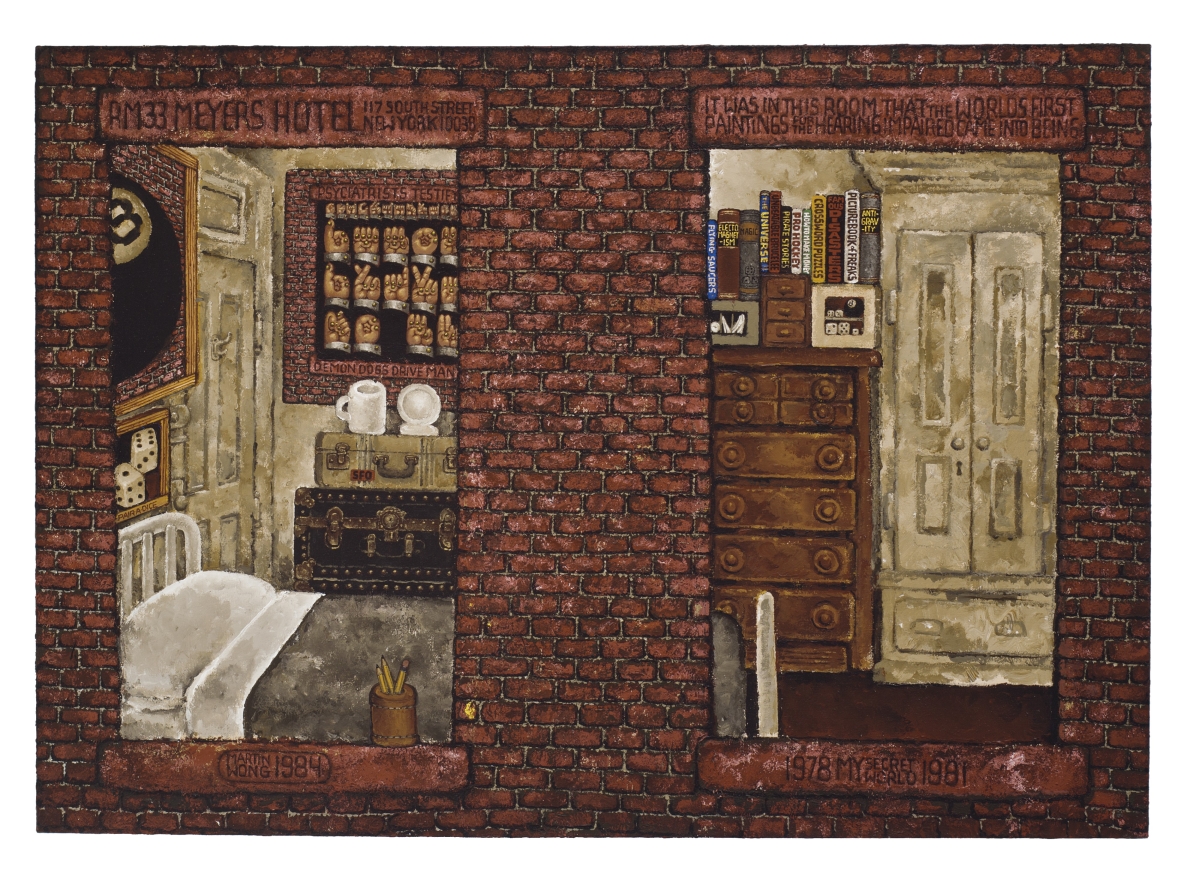
Martin Wong – Diamond Stingily – Ghislaine Leung – EMIRHARKIN
It’s the day after Trump’s victory. The Netherlands, of course, elected its own government of right-wing demagogues a little over a year ago. Civilians—including far too many children—have been killed and continue to be killed in Gaza. Writing an upbeat end-of-year best-of list feels difficult. This hasn’t been a great year. On a personal level, I’ve also been buried in work, consumed by a large exhibition I curated for the Kunstmuseum St. Gallen (Burning Down the House: Rethinking Family), all against a backdrop of pervasive pessimism.
However, OF COURSE, there were also good things: important, meaningful moments. So, after some reflection, here’s what I came up with from last year.
There are group shows, and then there are art-historical shows. Both have their place, but experiencing a truly great art-historical show is a milestone. Women in Revolt! Art and Activism in the UK 1970–1990 at Tate Britain was one such milestone for me. It was an expansive, meticulously curated exhibition—a resource I’ll return to in my work for years to come.
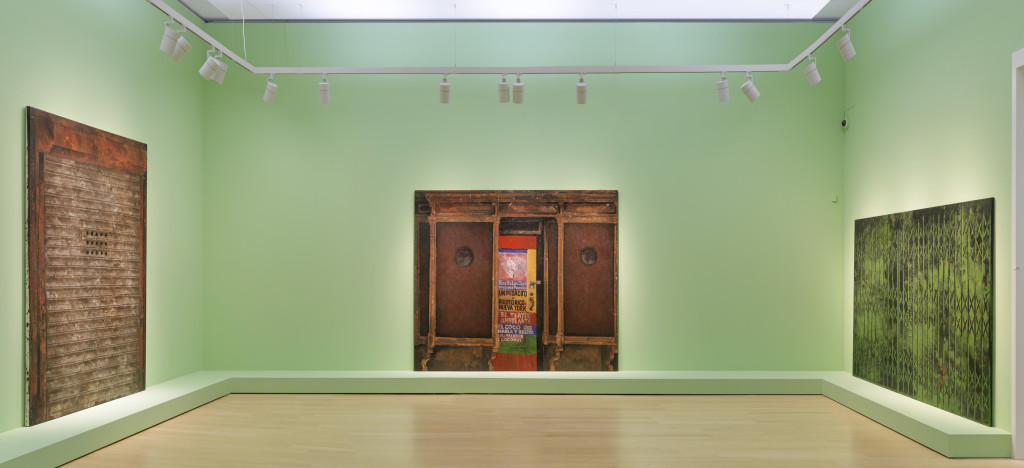
Another show that left a lasting impression was Martin Wong at the Stedelijk, curated by Krist Gruijthuijsen and Agustín Pérez Rubio. It offered a profound exploration of a unique artistic universe, carefully researched and installed—though, personally, I might have chosen a different shade for some of the walls. Regardless, it’s always a pleasure to see an excellent show at the Stedelijk.
Other standout exhibitions include Diamond Stingily’s Orgasms Happened Here at 52 Walker in New York, an eerie exploration of suburban American domesticity; Ghislaine Leung’s rigorously vulnerable show at Kunsthalle Basel; Tina Barney’s retrospective at Jeu de Paume, an incisive examination of privilege, family, and class; and the gut-wrenching solo-turned-group show by EMIRHAKIN at W139. This type of show is becoming a hallmark of that space, following other artist-curated exhibitions like Dan Walwin’s Over Hang and Philipp Gufler’s Substitutes. Finally, Sophie Serber’s ambitious show at Bologna, curated by Ivan Cheng, also stands out.
Not such a bad year in art after all? Yet, a heartbreaking year nonetheless.
Staci Bu Shea:
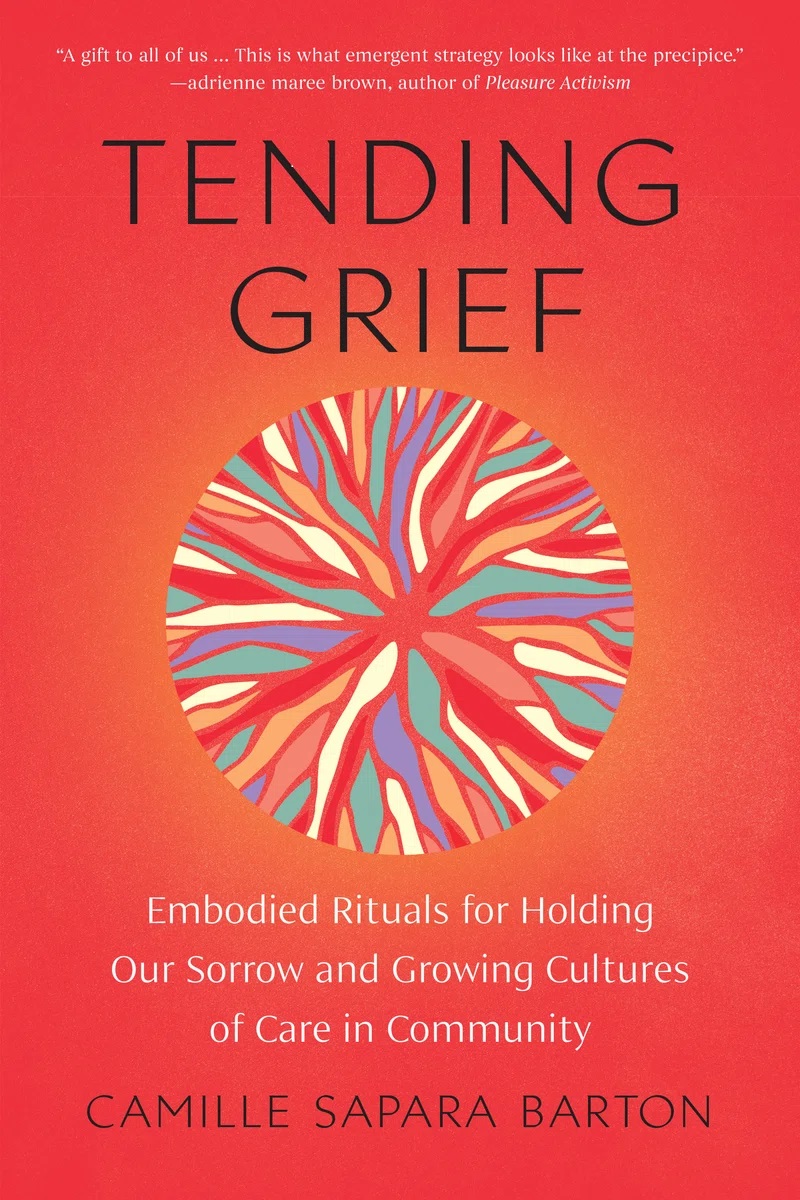
Tending Grief: Embodied Rituals for Holding Our Sorrow and Growing Cultures of Care in Community by Camille Sapara Barton
Camille Sapara Barton’s Tending Grief: Embodied Rituals for Holding Our Sorrow and Growing Cultures of Care in Community published with North Atlantic Books this year is an important contribution to grief literacy, activism and collective healing. Whereas most grief resources focus on personal loss, Tending Grief makes space for and empowers us to connect experiences of pain and suffering between the individual and collective. Grief is part of the energetic fuel for activism, but is not often regarded with reverence or practiced as medicine within political organizing and community spaces.
We may confuse grief with what ails us when it’s the losses associated with injustice and violence that hurts. Facing reality is hard, but Sapara Barton guides us to understand the further violence and pain of not addressing grief. Befriending grief and grieving, the practice of our recognition and adaptation to loss, is there to help us pick up the pieces in our motivation and commitment to respecting and honoring life. Activism requires a multifarious approach for sustainability: intense peaks of direct action creates time-bound tensions that must be met, when possible, with insistent rest. In so doing as Sapara Barton brings forth, we are able to feel more deeply which in turn supports us to grieve. When we are intentional about a culture of care, we are planting seeds of liberation as a daily, life-long practice.
Tending Grief also provides more vocabulary for grief beyond death explicitly but losses of many kinds that stretch across temporalities, lifetimes, and peoples: displacement from homelands, loss of ancestral knowledge, and severed lineages from assimilation. Decolonized perspectives on grief demonstrate it’s presence as a sacred and essential part of community wellness, and can be damaging to the collective if not addressed, as Sapara Barton summons through their ancestral lineage and teachers Malidoma and Sonbofu Somé in the practice of Dagara monthly grief rituals.
Just like movements for social and political justice, as they unpack in the book, grief asks to be moved as well: processed and metabolized with recognition of life/death cycles evident in the natural world which we are part of. “No death, no dirt. No dirt, no life,” to paraphrase death walker Stephen Jenkinson, Sapara Barton helps us connect to ourselves and each other through exercises, rituals and medicines in practical, accessible ways to support us in feeling not simply “better,” but feeling more. The need for the resources in this book only grows as we continue to confront the incredible changes and structural challenges ahead. From AIDS activism to Palestinian collective liberation, we echo: “mourn the dead, fight like hell for the living.”


Musoke Nalwoga:
Thato Toeba at Rijksakademie Open Studios 2024
Thato Toeba, a wedding photographer turned social scientist, lawyer, and collage artist, presents a new world within our current one—a world where little room is left for reality to breathe. Her home country, Lesotho, a small nation swallowed but not digested by South Africa, provides the backdrop for her exploration.
In many households, the wall unit is understood as a repository for valuable items—a place for the radio, television, and fragile tableware that embody equally fragile fantasies of upward mobility. Toeba’s open studio presentation is a total installation that offers a glimpse into her rigorous scavenging practice. It features countless magazine cutout figures, silhouetted absences, and a world of wall units heavily infused with media: the news, magazines, and radio, all represented through cutouts.
She questions what kind of imagery emerges in a world of constant media consumption. Through her work, Toeba argues that the contemporary world resembles a perpetual wall unit, fragmented and disoriented. Her ambiguous cutout figures from magazines and various archives challenge us to reconsider the meanings and implications of media in our lives.
We also asked Yasmijn Jarram, Moosje M. Goosen, Lena van Tijen Experimental Jetset & Titus Nouwens. Read their picks in Metropolis M No 6 – 2024>2025 Regenerate – OUT NOW – ORDER [email protected]