‘Have we ever met before?’ – Talking to Silvia Gatti at andriesse-eyck gallery Art Rotterdam Projections
Silvia Gatti investigates the evolving relationship between human experience and technology through immersive, dreamlike spaces in which poetic narratives, fragmented memories, and multisensory relational systems converge. Her work is on show this weekend at Art Rotterdam Projections. Valeria Mari visits Gatti’s studio to talk about her work and the pasts and futures of her practice.
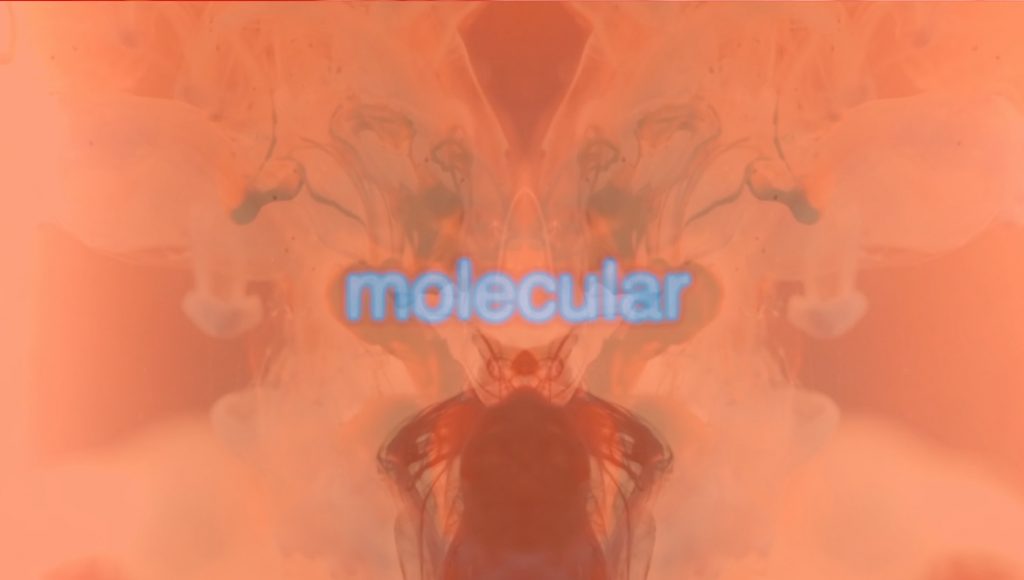
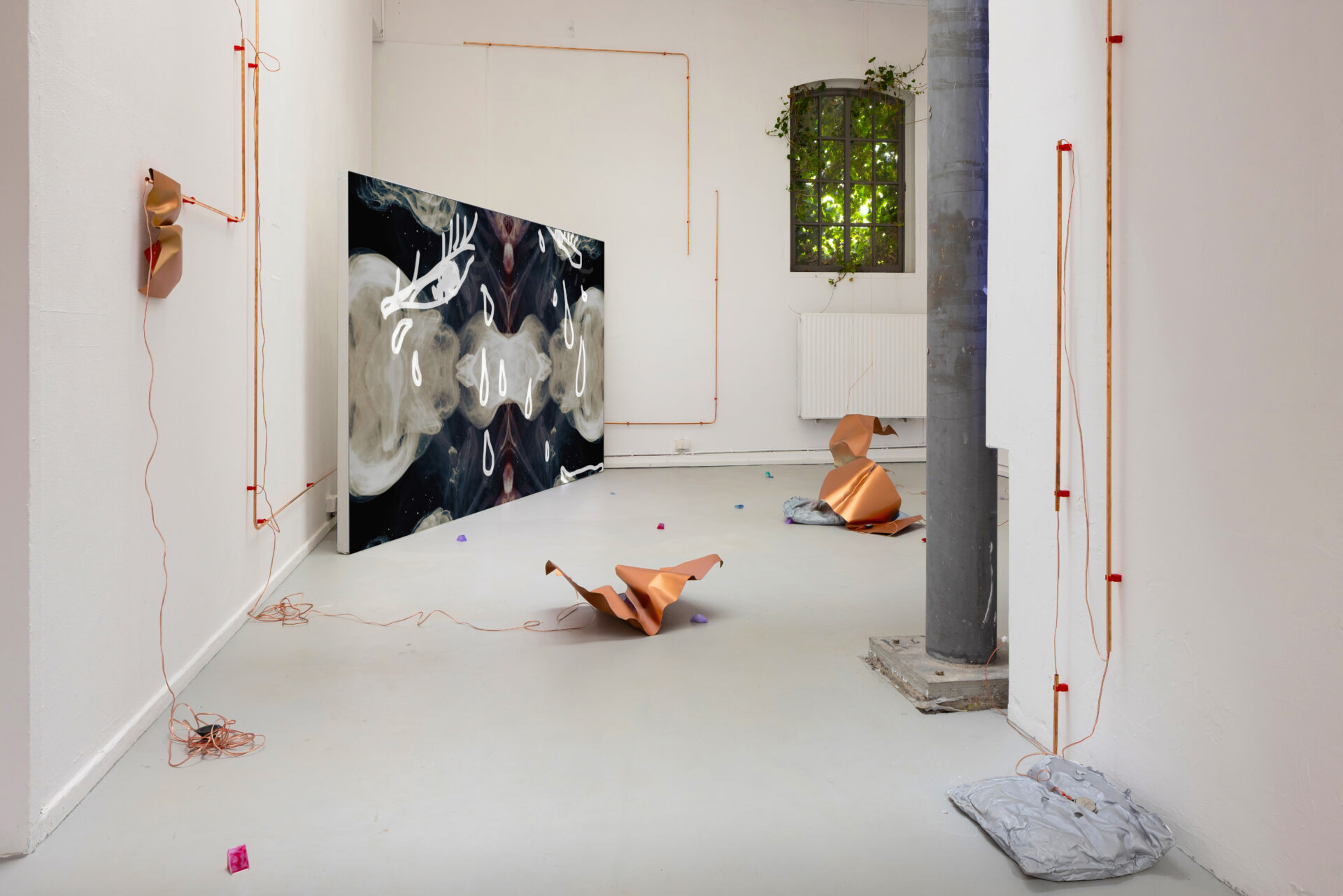
I first encountered Silvia Gatti’s work Preludio (2025) at the Rijksakademie Open Studios in 2025. During her residency, Gatti translated her research-based exploration of presence, embodiment, and the shifting criteria of what is considered real in an age increasingly shaped by human–nonhuman entanglements into a multichannel video and sound installation. Combining coded poetry, copper sculptures, and electronic devices, the work unfolds a non-linear narrative that weaves together reality and dream. The final work was presented as a World Premiere within the Art Directions section of the 55th International Film Festival Rotterdam.
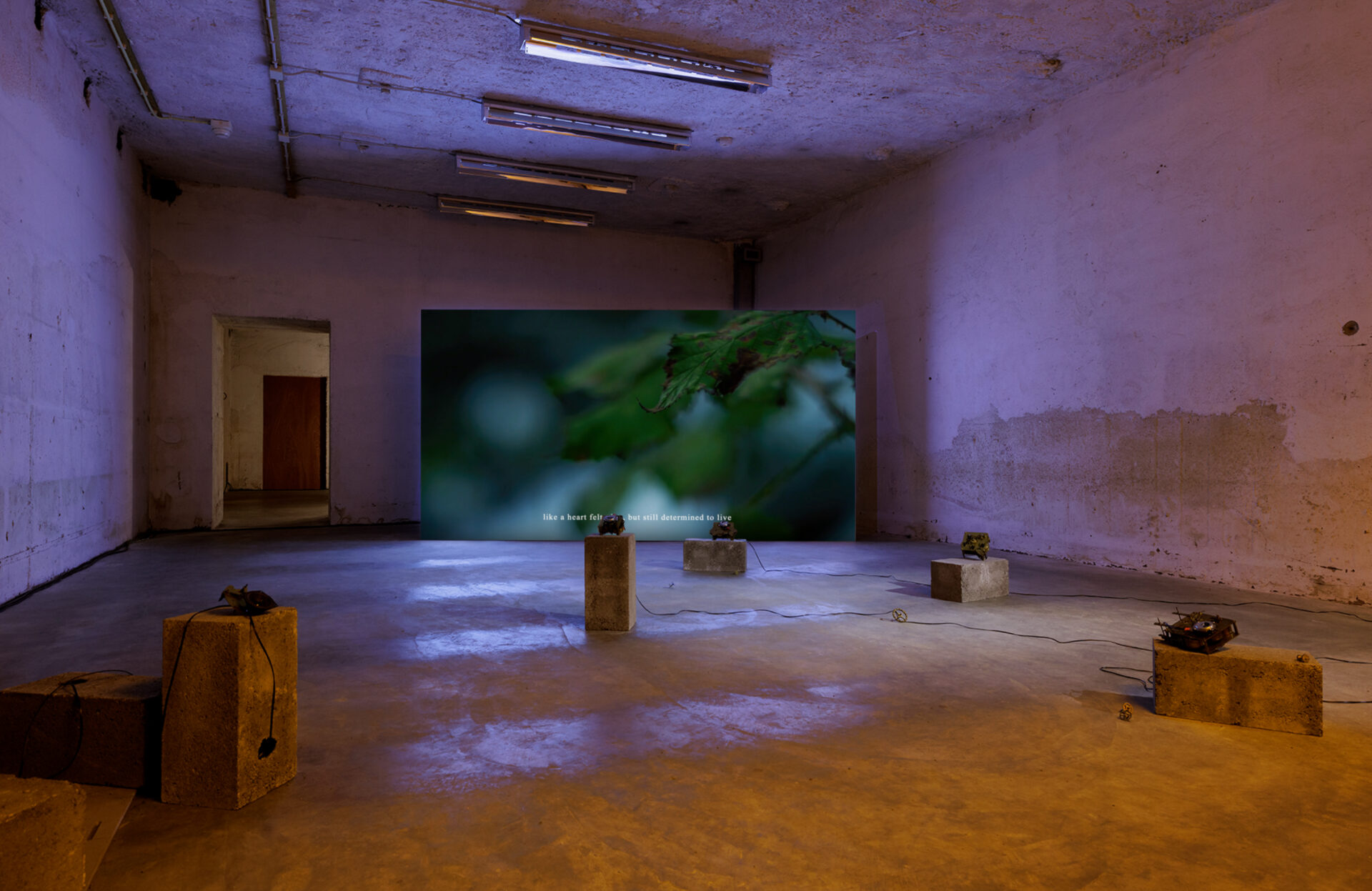
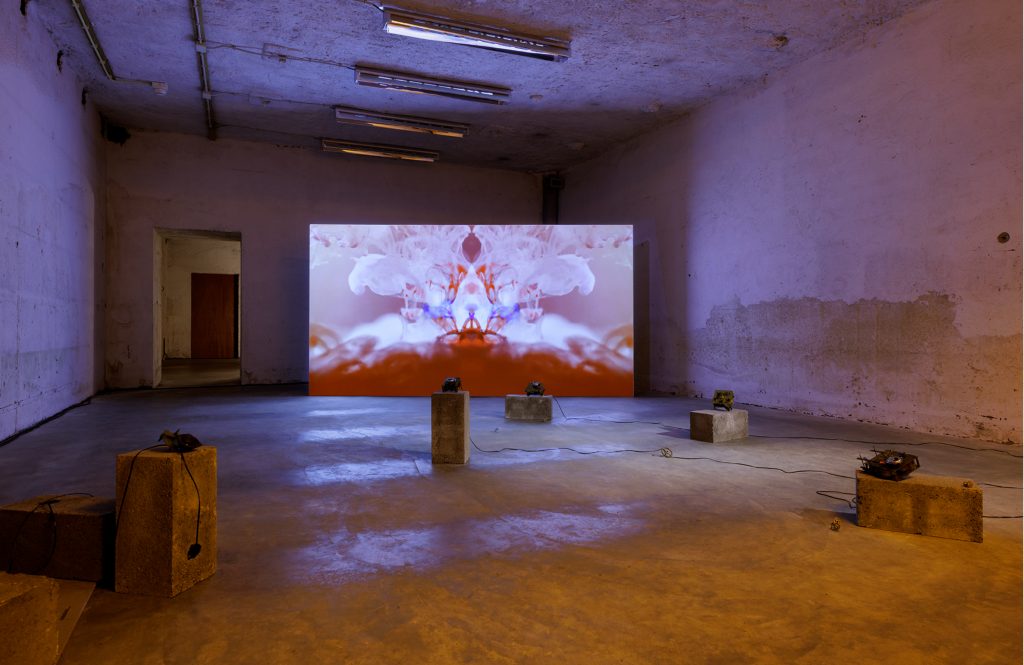
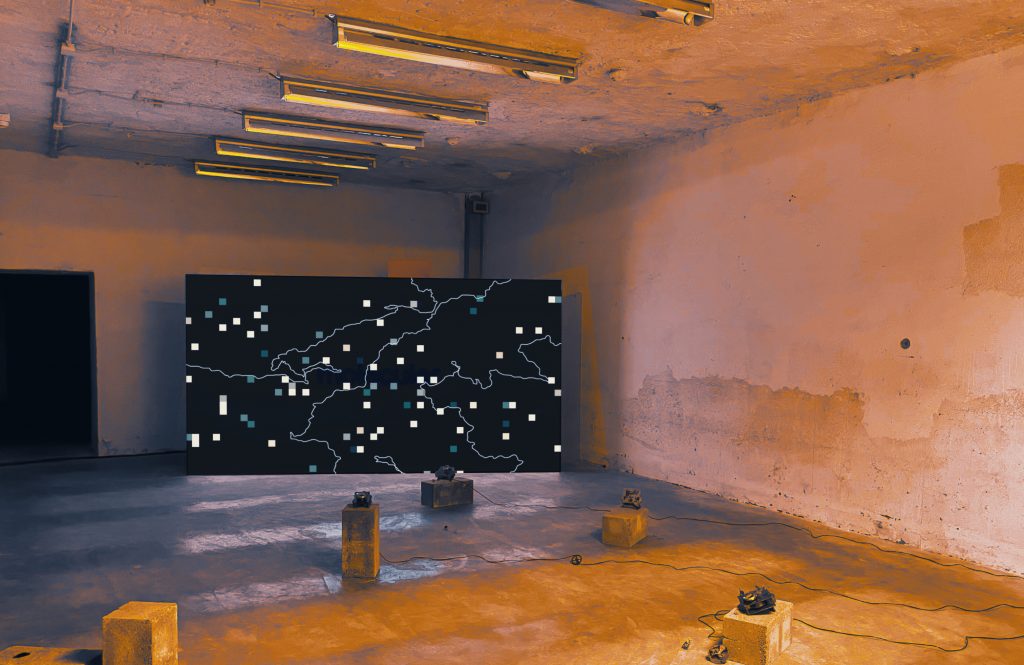
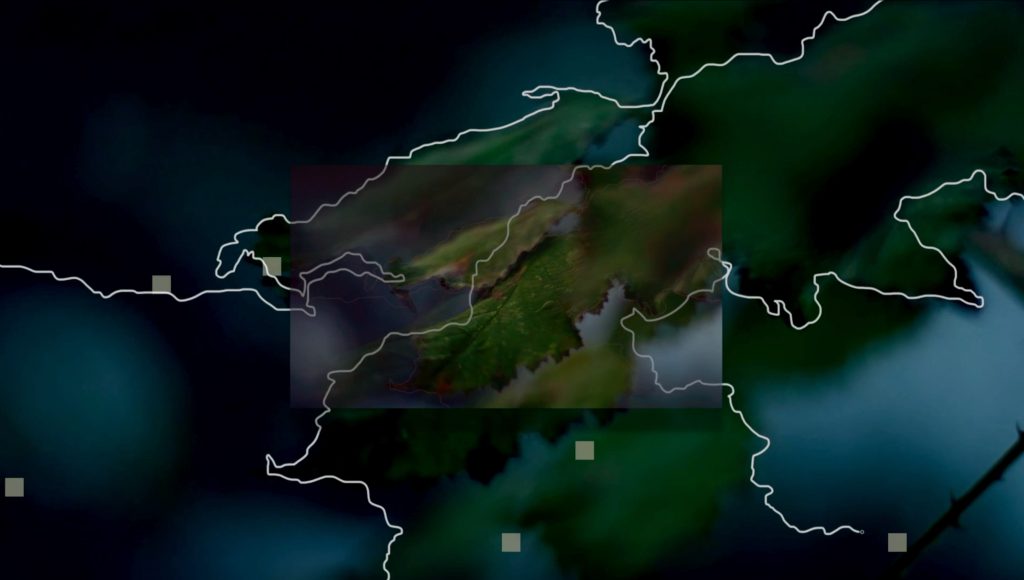
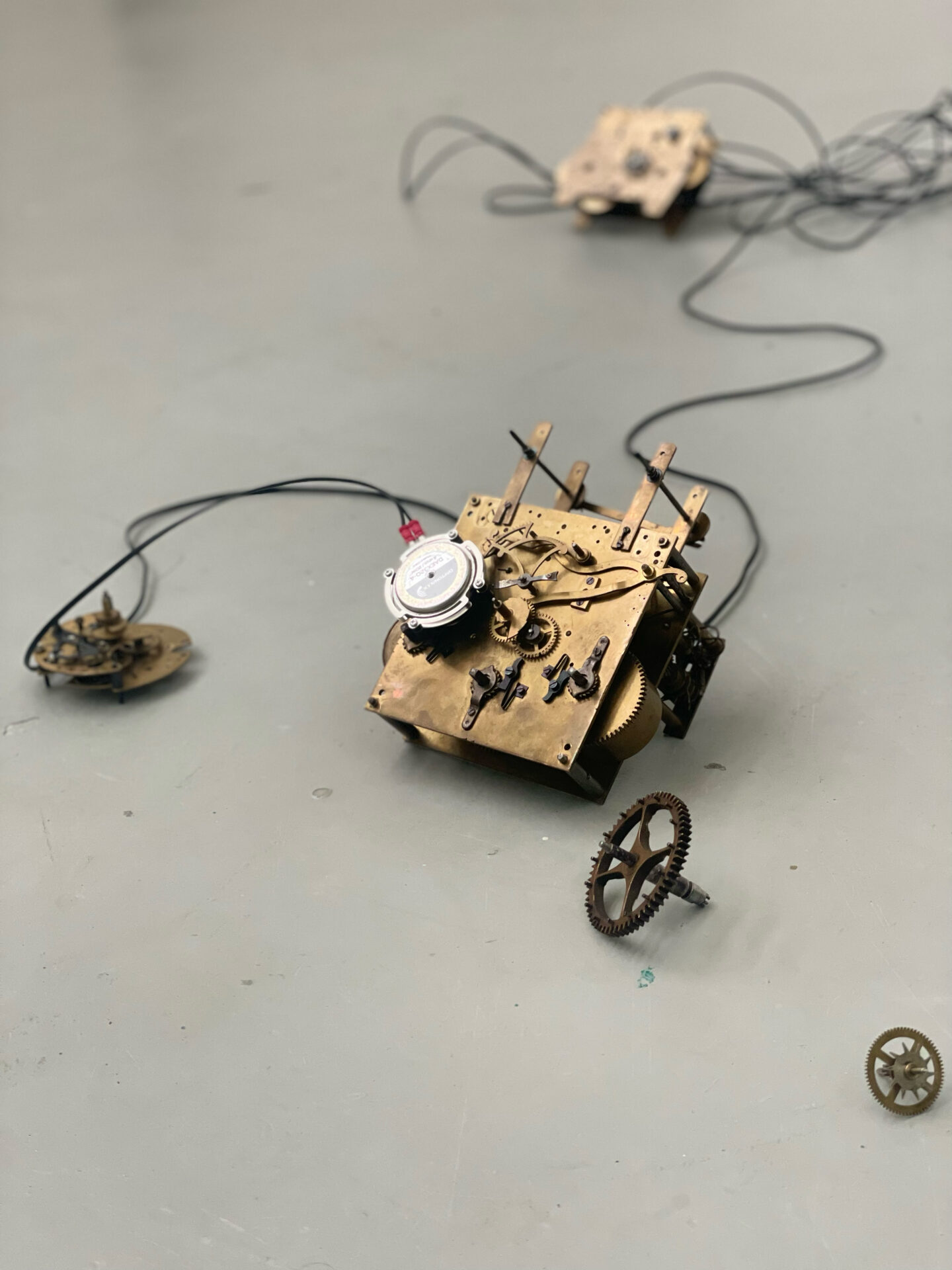
For Art Rotterdam, Gatti will present a new version of Chiaro di Luna (2025) in the Projections section. The work was part of the group show Emerging Exits at the Diogenes Bunker in Arnhem (Oct 3 – Nov 2, 2025). This site-specific video and multichannel sound installation, composed of a digital window and clockwork mechanisms, creates a dialogue between inner and outer worlds by breaking through the bunker’s hermetic architecture—once used to intercept and decode signals—and allowing nature and fragmented memories to permeate the space.
Geometry and pragmatism naturally unfold in Gatti’s studio: each project begins by merging physical structures and conceptual frameworks. The studio is a microcosm that she fully inhabits. As Gatti describes during my visit: ‘It is a space of negotiation between private and public spheres, as well as a chamber where I shape my observations of ideas through a continuous dialogue between myself and my surroundings.’
This constant, dynamic dialogue between the private and the public is central to Gatti’s work, shaped by the early loss of her mother and a life-threatening accident. These impactful experiences catalysed her exploration of alternative systems of connection. ‘I felt like I was in the world but without any connection to it.’ She transformed this profound disconnection into a creative possibility. Her practice often starts with a bodily sensation that gets translated into reinvented ways of existing and perceiving the world: ‘My sculptures often suggest forms of interaction, inviting the audience to engage with them and reflect on the concepts they embody. In my immersive installations, the architecture of the spaces, coded poetics, and moving images shape the environment. These elements create fully participatory experiences, allowing viewers to inhabit different dimensions and move through space and time in expanded ways.’
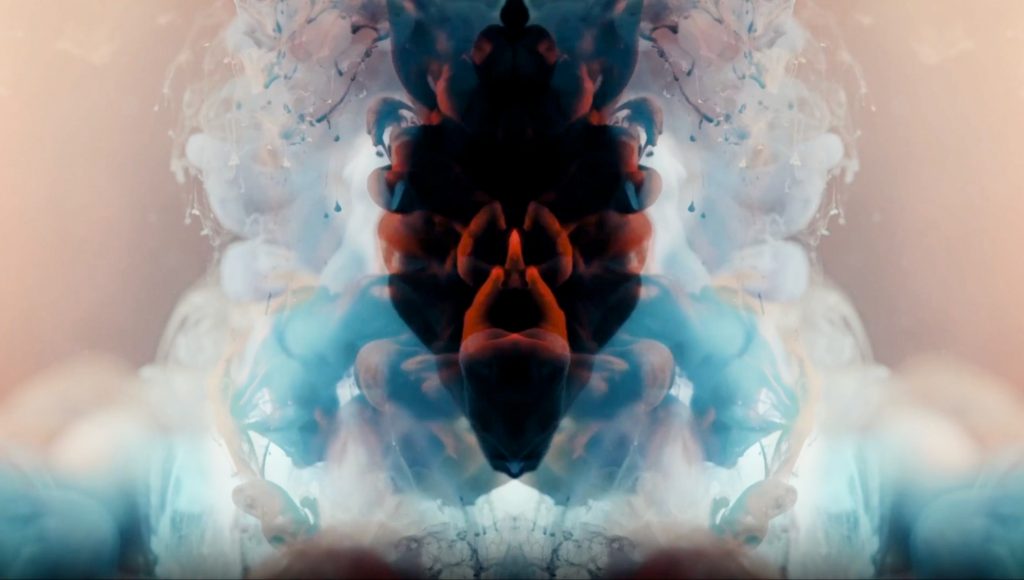
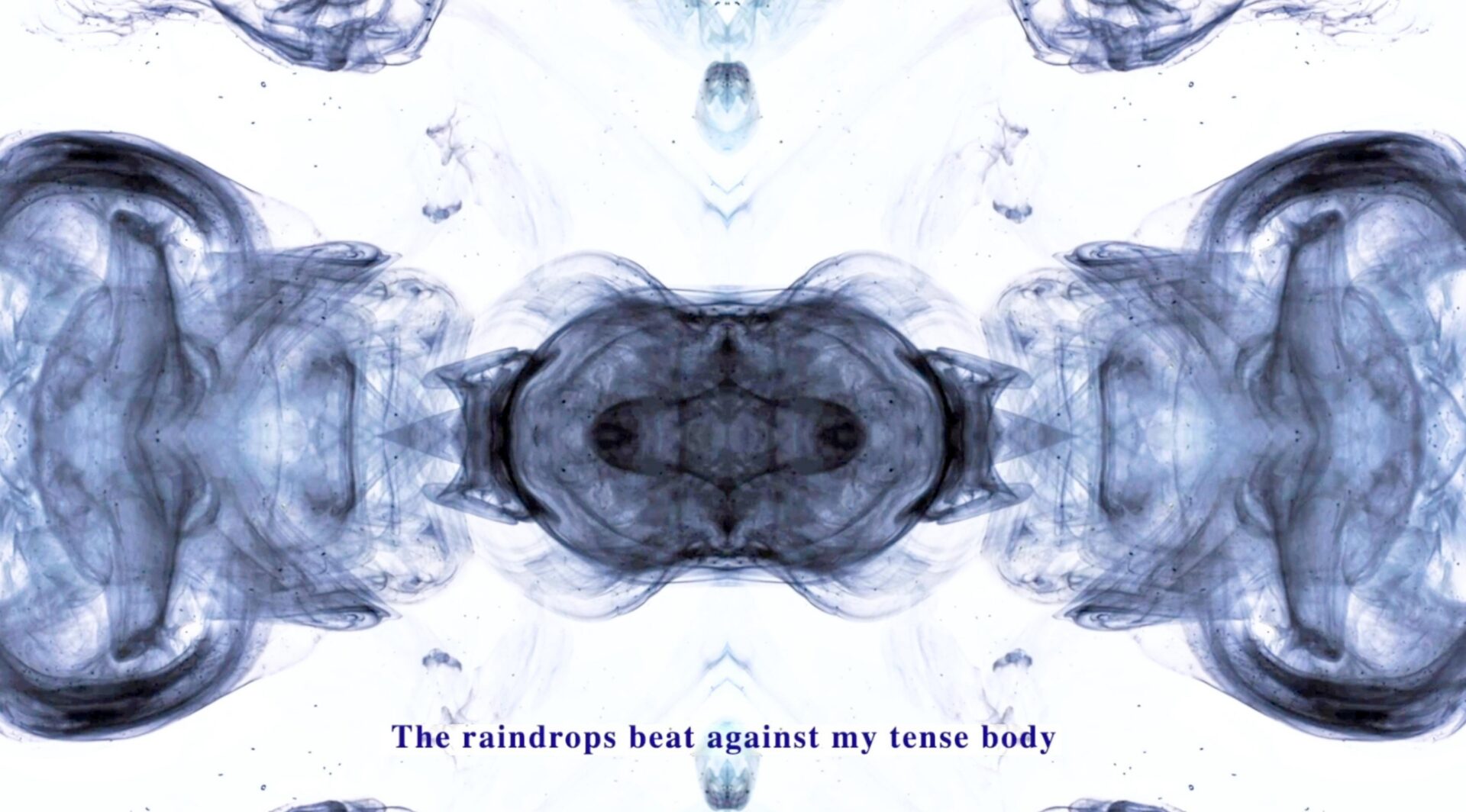
The works Preludio and Chiaro di Luna offer an in-depth look at Gatti’s broader conceptual framework, which moves through embodied knowledge, fragmentation, and memory, opening spaces in which language becomes porous and new meanings can surface. In this context, poetry is employed as a form of intelligence that engages with complexity: contradictions, sensory and emotional experiences, unresolved personal and collective tensions, and continuously shifting states of meaning. Regarding the work Preludio, Gatti explains that ‘the poetic virus design is a generative program that distorts syntax, dismantles linear narratives, and reconfigures ever-changing meanings. This results in fragmented words and repetitive questions, which are then translated into digital déjà vu’s. We hear a lingering voice ask: ‘Have we ever met before?’ It creates a poetic, surreal layer that blurs boundaries between memory and presence.’
The video work also shows X-ray images of her fractured pelvis from the accident she experienced, which caused her a prolonged loss of key cognitive functions, including writing, memory, and movement. As Gatti describes, ‘the tension between the physical and the digital worlds remains central to my work and research approach. In Preludio, I processed the X-ray images with a trained AI program that extends and transfigures my broken body into a cosmic explosion, expanding my personal injury into a boundless, almost astronomical event.’
‘We hear a lingering voice ask: ‘Have we ever met before?’ It creates a poetic, surreal layer that blurs boundaries between memory and presence.’
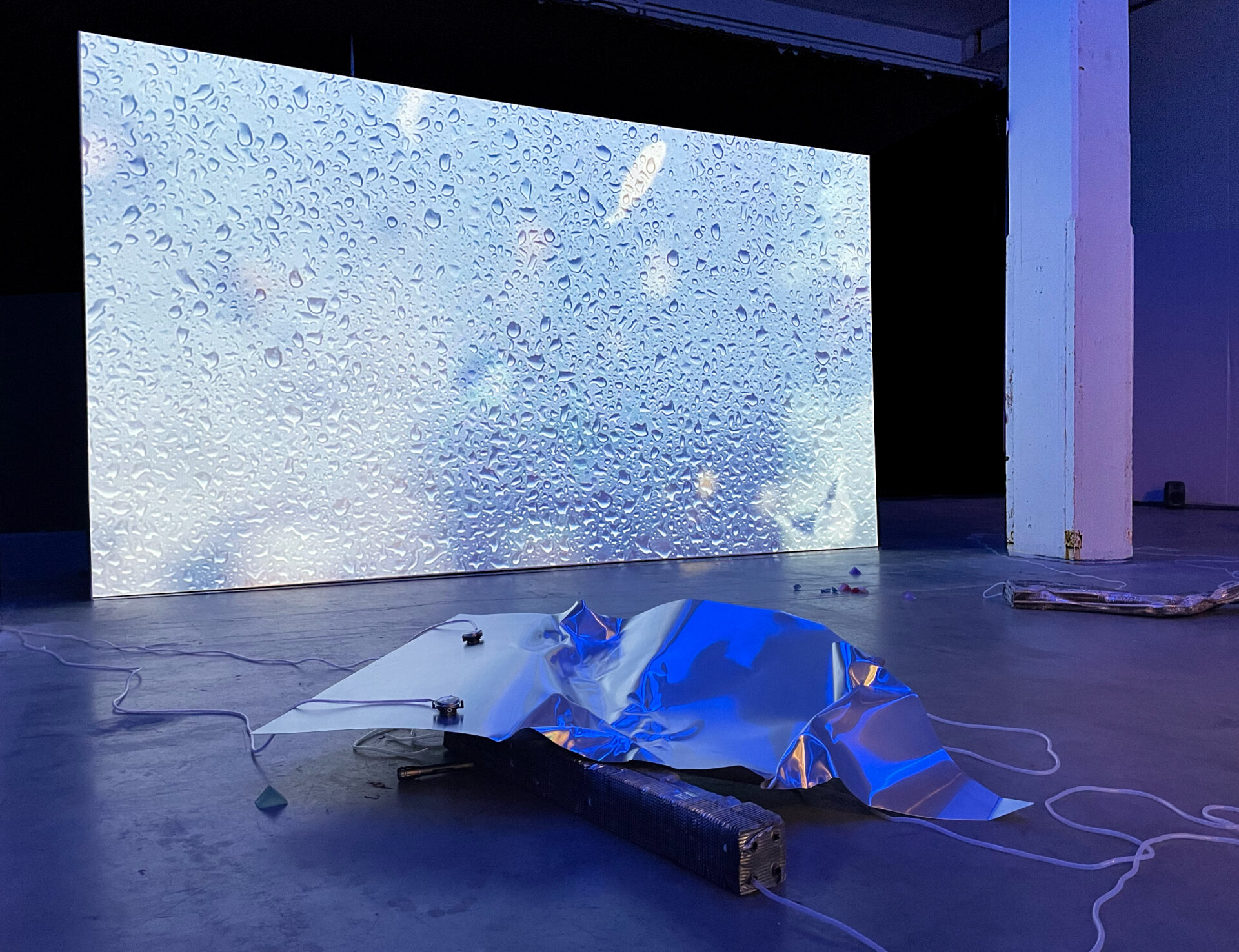
In Chiaro di Luna, the artist uses a coding program to generate blinking visual effects on the screen, accompanied by mechanical sounds that recall past flashing signals of German air defence in the Arnhem region, once decoded and translated into strategic instructions by the Enigma machine, which was housed in the same bunker room where Gatti installed her site-specific work. ‘The physical dimension of my work is experienced through programmed electronic ‘brains’ and ‘stethoscopes’ attached to metallic sculptures that inhabit the space and break down each human interaction into data inputs almost as if to be reconfigured into a shared, collective language.’
‘My practice continues to evolve toward both a sculptural and an immersive digital language,’ through which Gatti cultivates tensions between memory and potentiality, creating space for ‘what is about to unfold but has not yet.’ Her work often remains suspended and lingering: ‘within brackets and ellipses.’ While Preludio turns inward, mapping tension and incompleteness as internal states, Chiaro di Luna shifts the focus outward, tracing how the intimate residues of individual experience permeate collective memory. The electronic devices employed in this body of work amplify, distort, and reveal hidden aspects of these experiences. These technologies are not mere tools but metaphorical agents: sensory extensions of life.
Her work often remains suspended and lingering: ‘within brackets and ellipses.’
In her work, Gatti invites viewers to pause and reflect on the human condition at a time when technology increasingly threatens to overshadow lived experience. ‘Rather than using synthetic systems to replace or surpass the human, I employ them to probe, dissect, and illuminate what it means to be human.’ Her works question the very ‘what’ of our existence: ‘what does it mean to inhabit a body when our senses and intelligence are filtered through machines? What does it mean to exist in the present moment? What counts as real and not real?’
Gatti is currently working on a new large-scale sculpture that explores resilience in natural and human-made ruins by approaching rupture as a necessary condition for regeneration and reinvention of possible futures. The work will be on show in November at Garage Rotterdam. Also, a film project that explores how physical laws, such as gravity, shape perception and bodily and social behaviour, where she furthers her inquiries into embodied knowledge that reclaim a collective act of connection, and the position of humans within future technological and natural ecosystems.
Gatti’s works are ultimately multisensorial realms in which every poetic and computational element is intentional, alive, and fleeting. The resulting immersive installations become architectures of emotion, inviting the public to observe and listen from within, because, as Gatti says, ‘after every encounter something changes irrevocably; we are never the same as before.’
Silvia Gatti’s work will be on show in the Projections section of Art Rotterdam from the 27-29 of March
Valeria Mari
is an independent art historian, curator and writer, whose work engages with political identities and embodied knowledge to create spaces of representation, connection, and care.